
Online/ Talk / Multiple Techniques
OUR ANNUAL TALKING TEXTILES WEBINAR
Moderated by Philip Fimmano & Li Edelkoort
Recent graduates have harnessed their creativity to take on the design and art worlds, quickly establishing their independent practices as integral parts of the cultural community. Fibre and fabrics therefore become important tools to transform society through conscious thinking, aesthetic activism and ecological awareness. As the industry’s young leaders, their hopeful quest is human-centred, reaching new audiences through touch and tactility, appealing to the senses at a time when we need it most. Success stories that illustrate the foundational value of design education and the true power of textiles.
The program:
10:00 AM - 10:10 AM Ragna Froda NYTM Highlights
10:10 AM - 10:15 AM Lidewij Edelkoort and Philip Fimmano Introduction
10:15 AM - 10:30 AM Shradha Kochar
10:30 AM - 10:45 AM Sugandha Gupta
10:45 AM - 11:00 AM Aradhita Parasrampuria
11:00 AM - 11:15 AM Mitch Frank: Following the Path Backwards
11:15 AM - 11:30 AM Sabrina Stadlober: Soil to Soil — A Cycle of Connection Between Humans, Animals and Landscape
11:30 AM - 11:45 AM Kamilla Kuszon and Astrid Brondgaard Jensen: Our journey studying wool
11:45 AM - 12:00 PM Carolyn Smith
12:00 PM - 12:15 PM Royce Epstein from Mohawk Group presents Dorothy Waxman International Textile Prize 2026 Winner
The webinar is free and open to all.


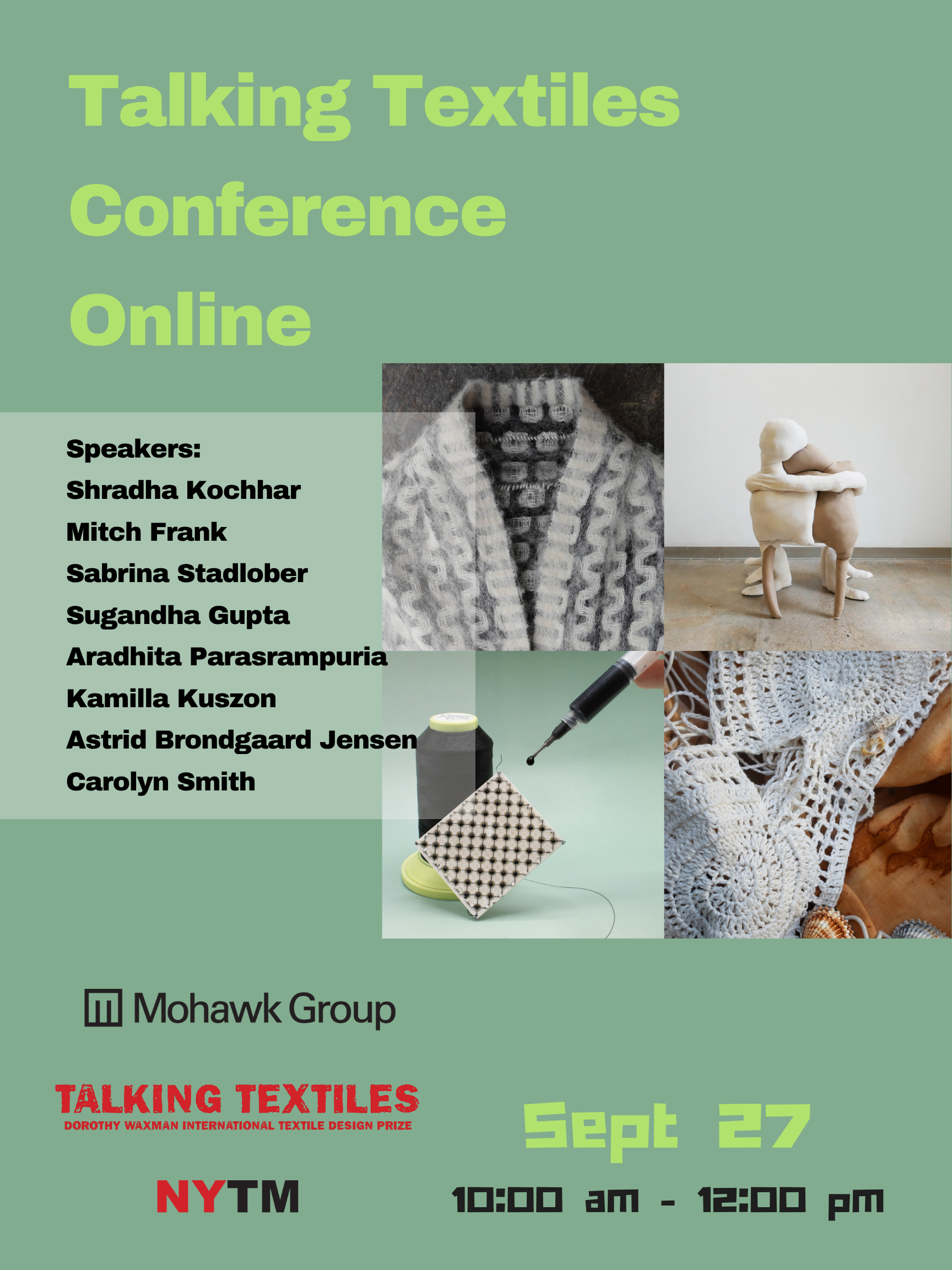
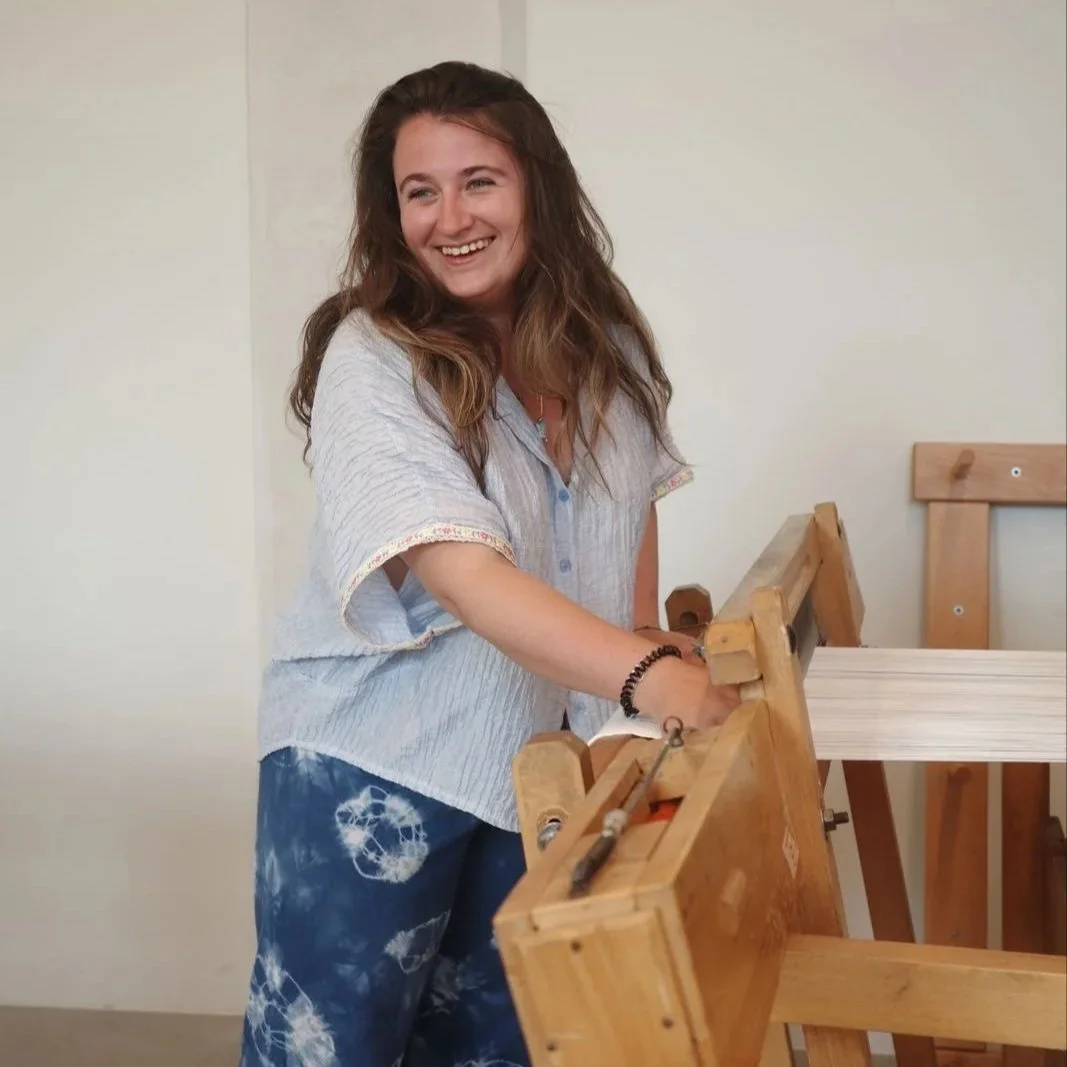
clockwise: Shradha Kochhar; Mitch Frank; Sabrina Stadlober; Sugandha Gupta; Aradhita Parasrampuria; Kamilla Kuszon and Astrid Brondgaard Jensen (photo by Rigetta Klint); Carolyn Smith
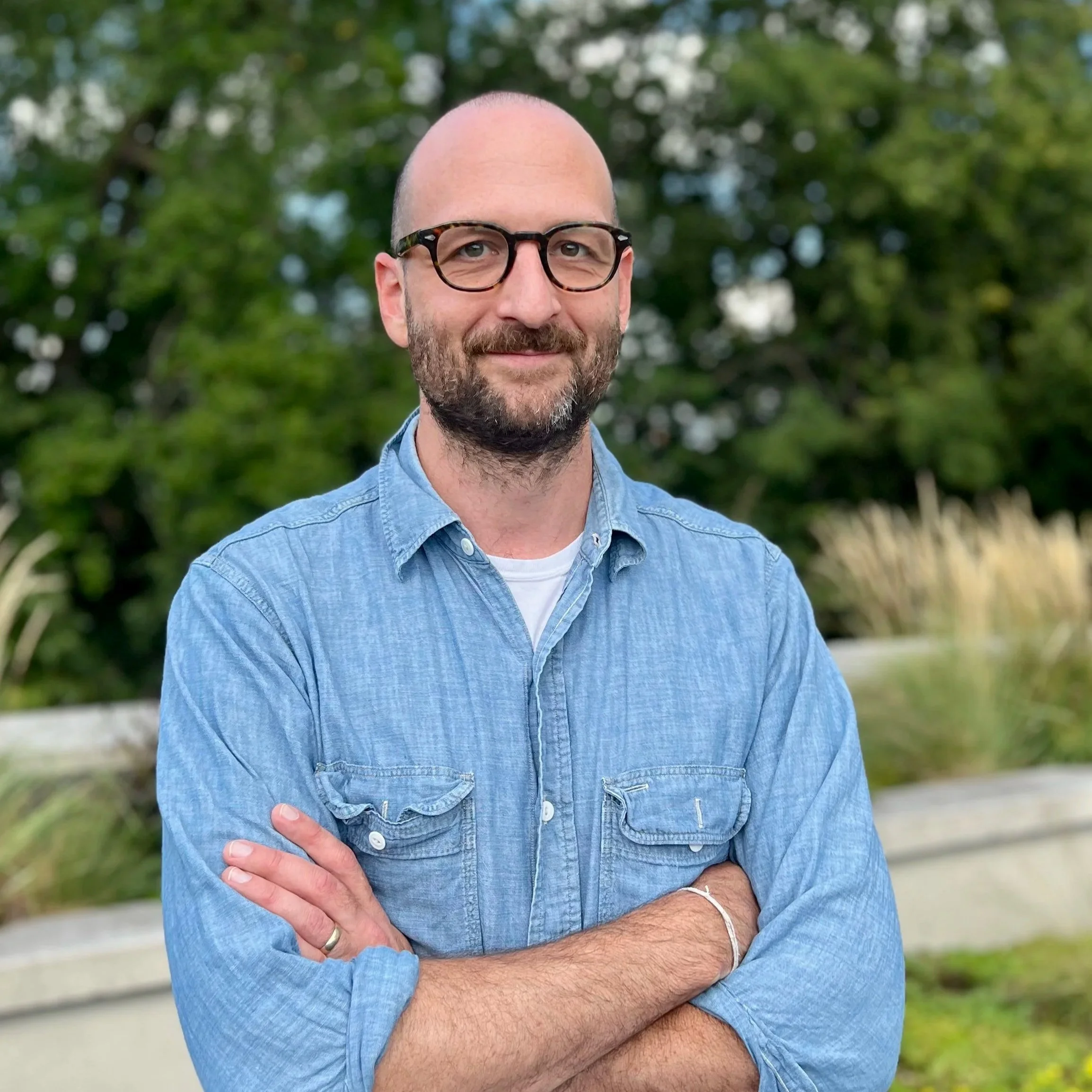
Mitch Frank, a clothing and fabric maker and an educator at The University of Wisconsin-Madison. He teaches in the Textiles and Fashion Design program. A lifelong environmentalist, he works in craft because craft prioritizes materials and materials come from the environment. His work looks at native ecologies, appropriate technology, and environmental justice.

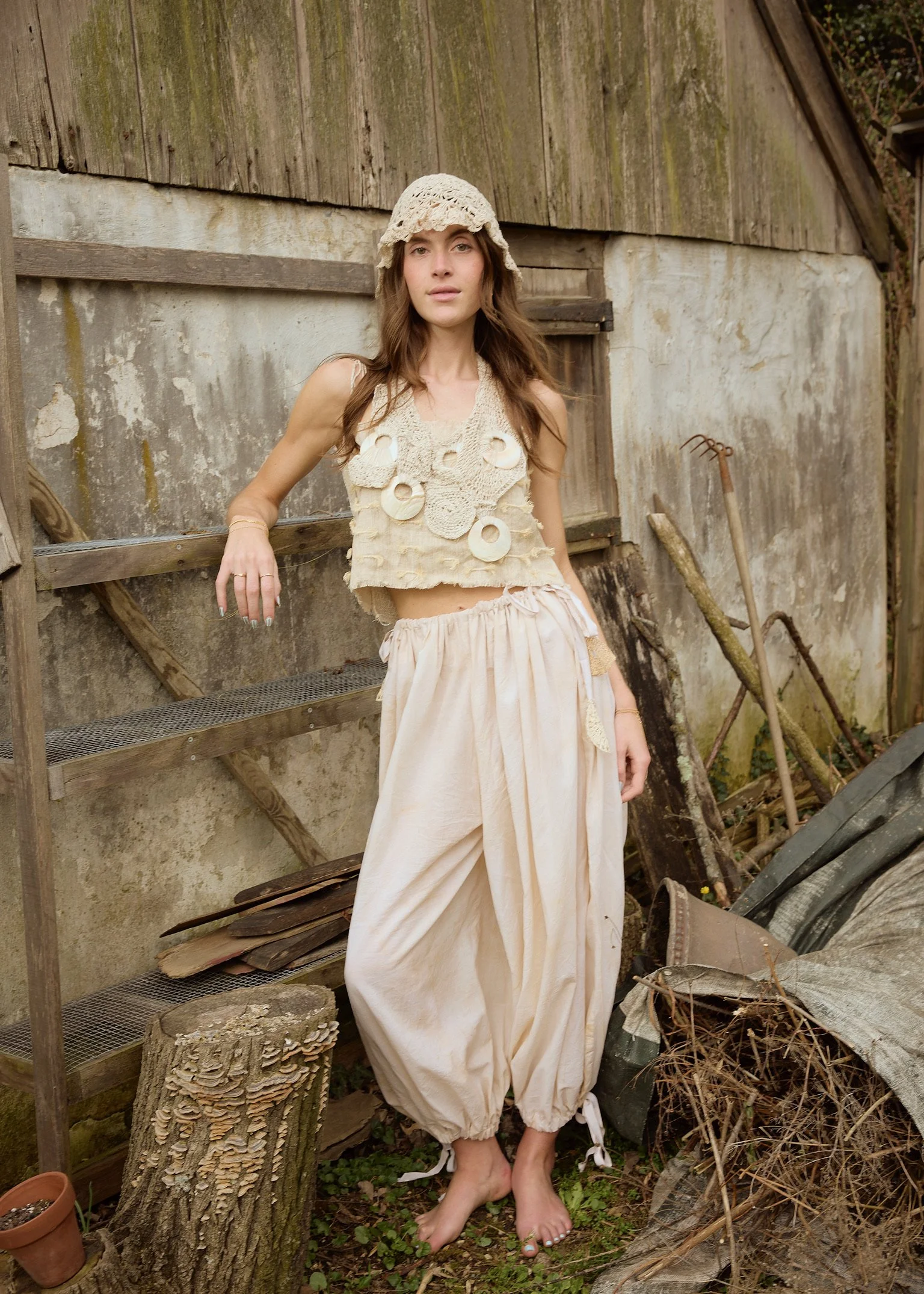
Sabrina Stadlober is a fashion, textile, and product designer based in Austria. Her work is defined by a conceptual, research-led approach that brings ethics and aesthetics into dialogue. During her Master’s degree in Textiles at Polimoda, in theFrom Farm to Fabric to Fashion program, she developed a deep appreciation for alpaca wool.This interest became the foundation for the long-term projectSoil to Soil, a fully circular collection developed in collaboration with Austrian alpaca breeders.Sabrina’s practice spans textiles and wearable design, with a focus on natural materials and responsible craft as forms of creative expression. In addition to developing her own slow collection, she teaches fashion and natural fibers.

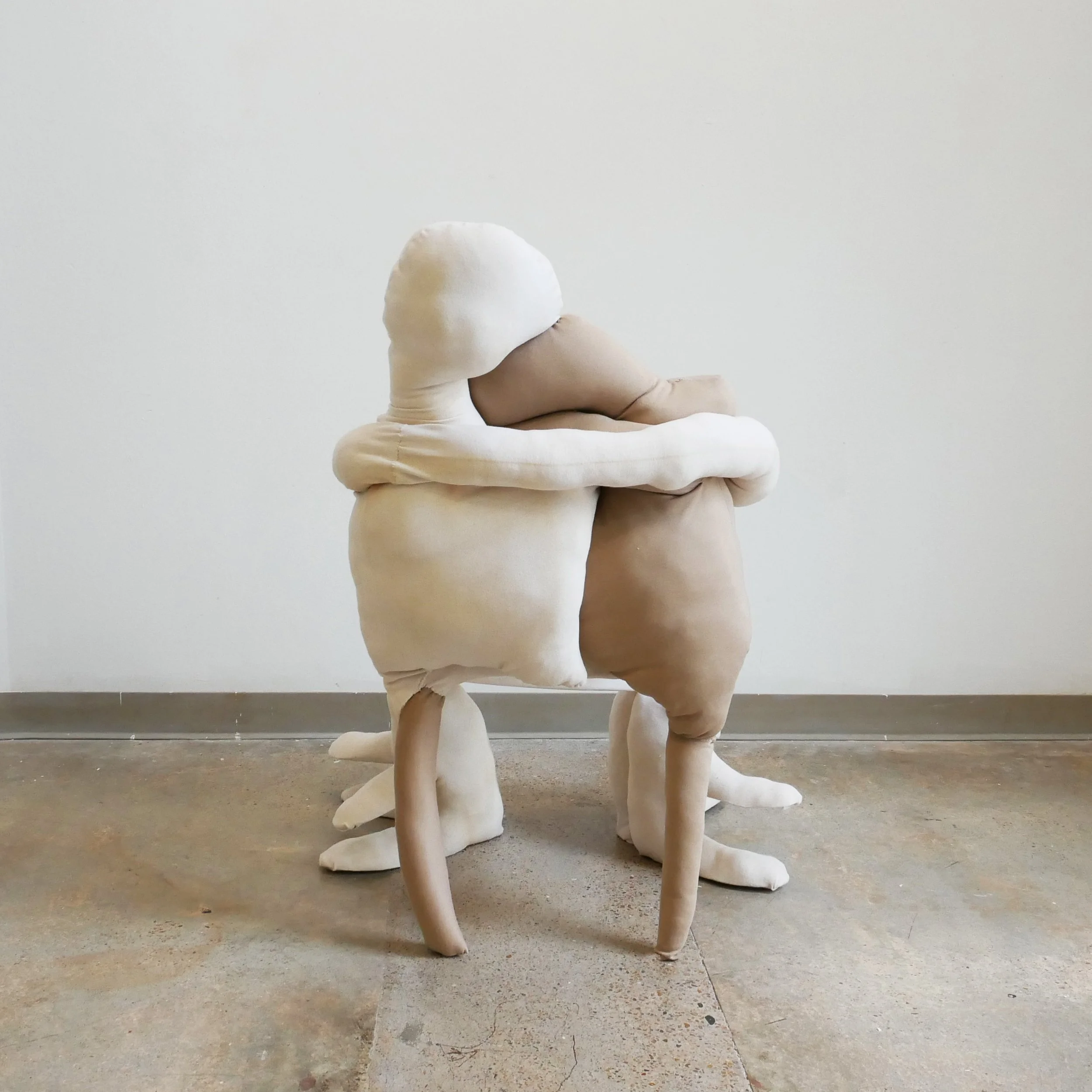
Shradha Kochhar, an artist with a focus in fibre, based in Brooklyn, New York. Best known for her home spun and hand knitted ‘khadi’ sculptures using ‘kala cotton’ - an inherently organic cotton strain indigenous to India, her work is at an intersection of material memory, tactile histories and intergenerational dialogue. Focusing on generating a physical archive of personal and collective south asian narratives linked to women’s work, invisible labor and grief, the work is large scale and exists as sculpture beyond whispers over generations.
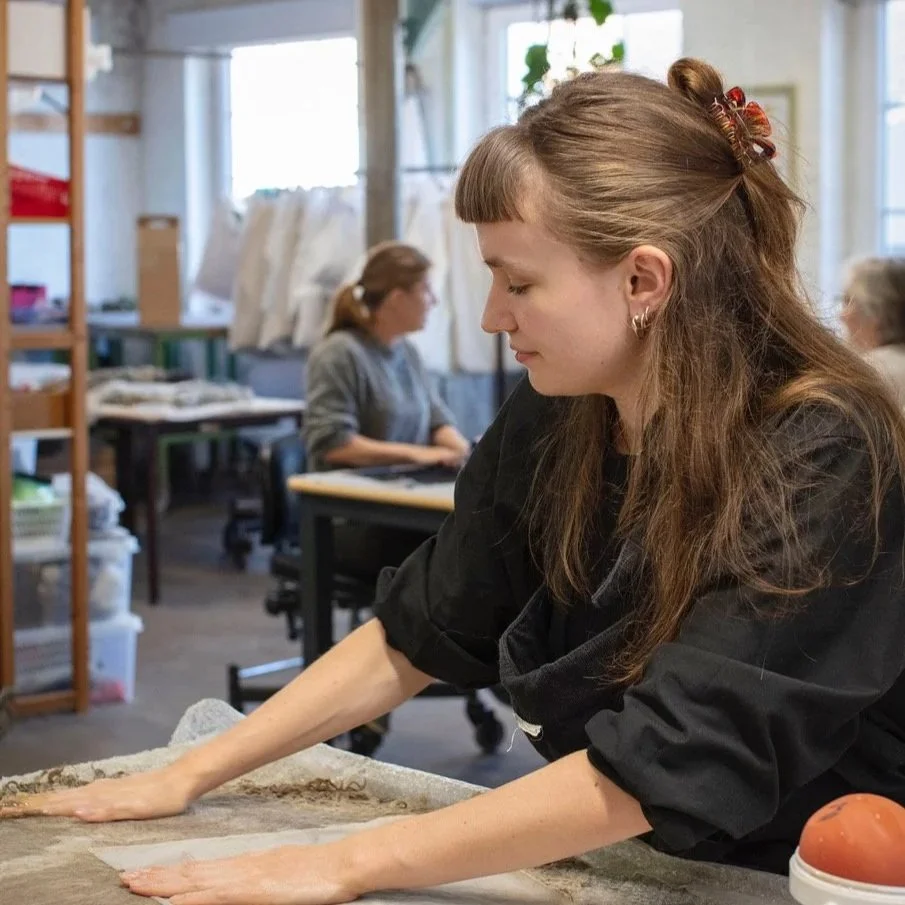
photo by Rigetta Klint
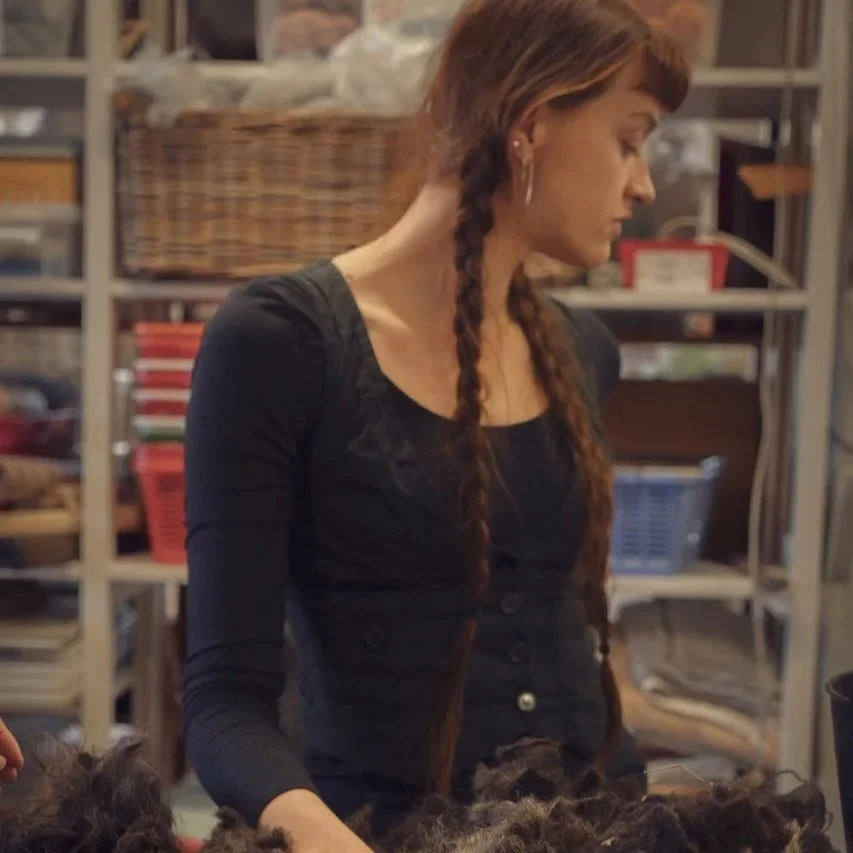
photo by My Lambertsen
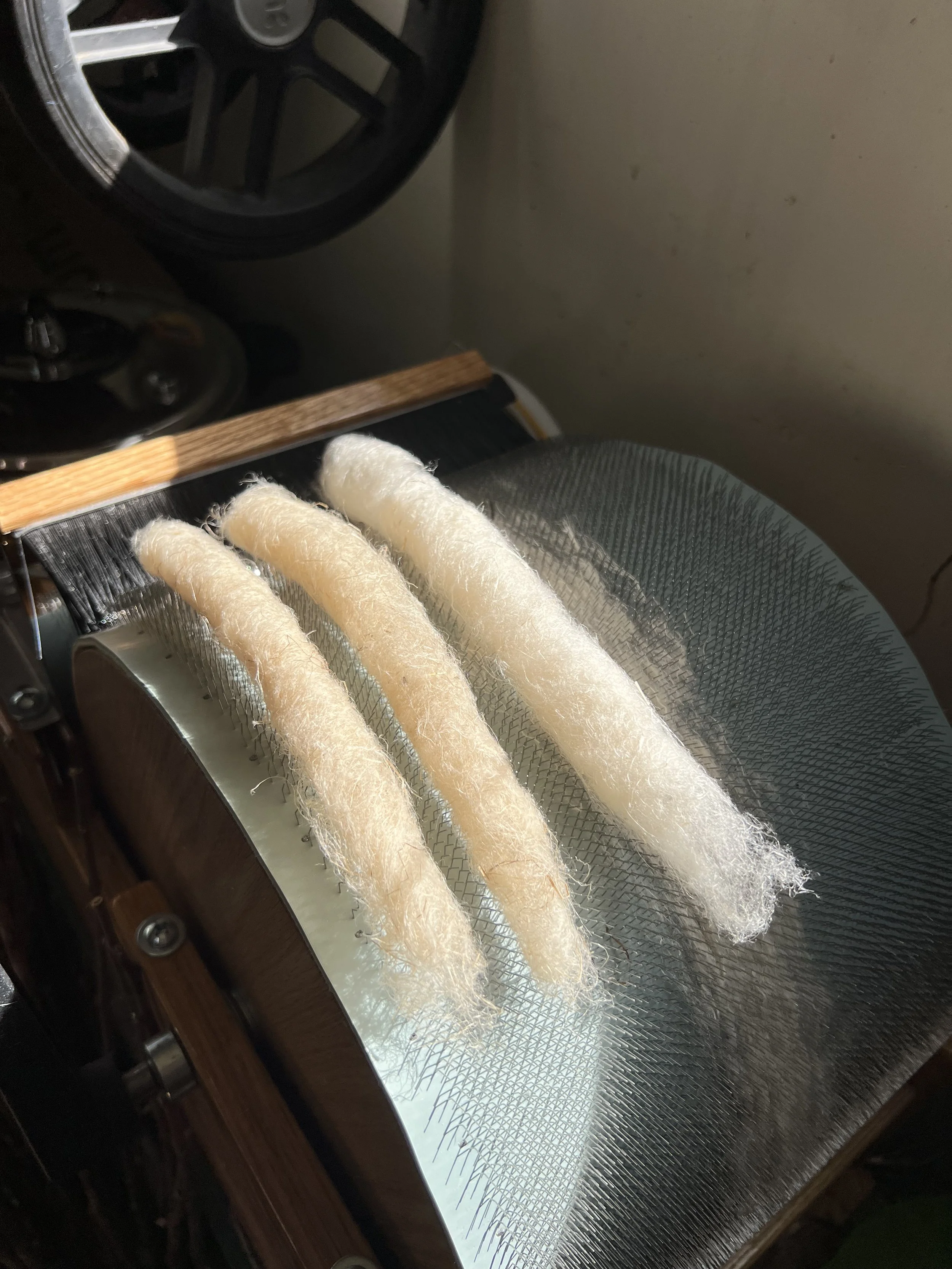
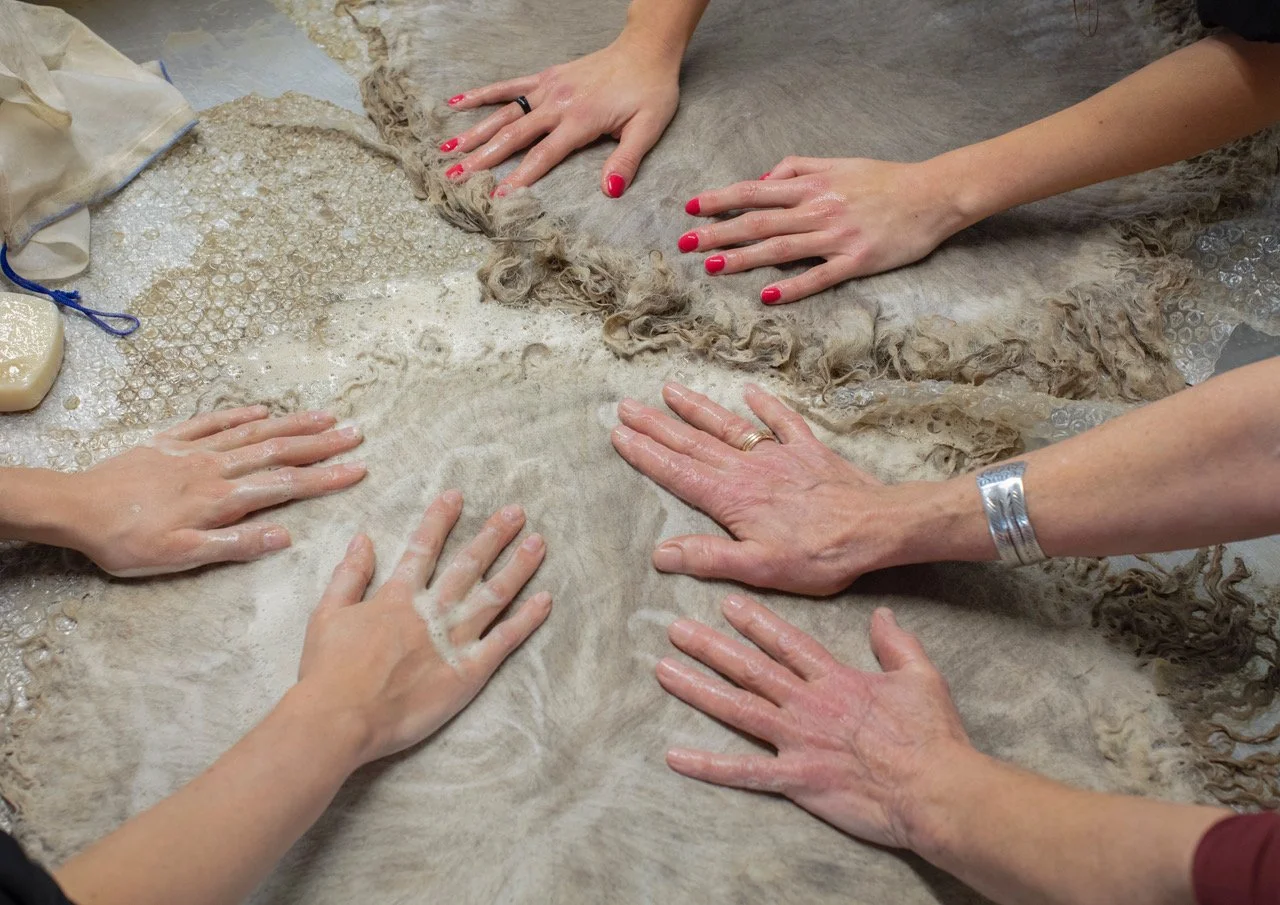
Kamilla Kuszon and Astrid Brøndgaard Jensen, textile designers and Feltmaker apprentices based in Denmark. During their Bachelor's degree in Textile Design at the Swedish School of Textiles, with a specialization in weaving, they began their work with wool, initially experimenting with fulling different woven wool bindings to create shape and texture.
Today they are doing a three-year apprenticeship as Feltmakers, deepening their knowledge in felting and working directly from fiber to form. Their work is driven by a fascination with raw wool in natural colors, textures, and organic behavior. Rather than controlling the material, they collaborate with it, allowing its inherent qualities to shape each piece.

Sugandha Gupta, Assistant Professor of Fashion Design and Materiality at Parsons School of Design. She is an award winning multi-sensory artist and designer. Her textiles, sculptures and garments invite wider audiences to interact with her work through touch, sound, smell, sight and their embodied strengths. Her research interests lie at the intersections of disability, environmental and embodied justice. Her work has been showcased at The American Crafts Council, Smithsonian Craft Show, The UN Headquarters, New York Textile Month, Guggenheim Museum, The Visions Museum of Textile Art and Hunterdon Art Museum among others. Recently, her two commissioned looks have been permanently acquired and showcased as part of the current ‘Costume Art’ show at The Metropolitan Museum of Art, NY.

Aradhita Parasrampuria, materials designer and founder of Cellsense. She leads a team developing sustainable embellishments and beaded fabrics from algae and cellulose, offering alternatives to plastics in fashion, jewelry, and beauty. Trained at Parsons School of Design, Aradhita’s experience spans material science at Slow Factory Labs and design roles at Tory Burch and threeASFOUR. Cellsense has successfully completed pilots with four brands and continues to collaborate with partners on new biomaterial applications. Their work has been featured by WGSN, Vogue, and Forbes. Outside of work, Aradhita enjoys volunteering at Genspace.
Carolyn Smith, a weaver, designer, and textile advocate based in Pennsylvania. Her experience in the Farm to Fabric to Fashion Masters at Polimoda sparked a personal love of craft, with a specific love of weaving. Her collection Trousseau became her own personal archive of connection to craft, the sea, and making with her hands. She now works on vintage looms at Tuscarora Mills within Family Heirloom Weavers, weaving heritage fabrics from natural fibers like hemp, linen, and cotton. She is committed to continuing America's weaving legacy through natural materials and teaches craft workshops to help others find their own connection to textiles.