
NYTM 2026 CALENDAR
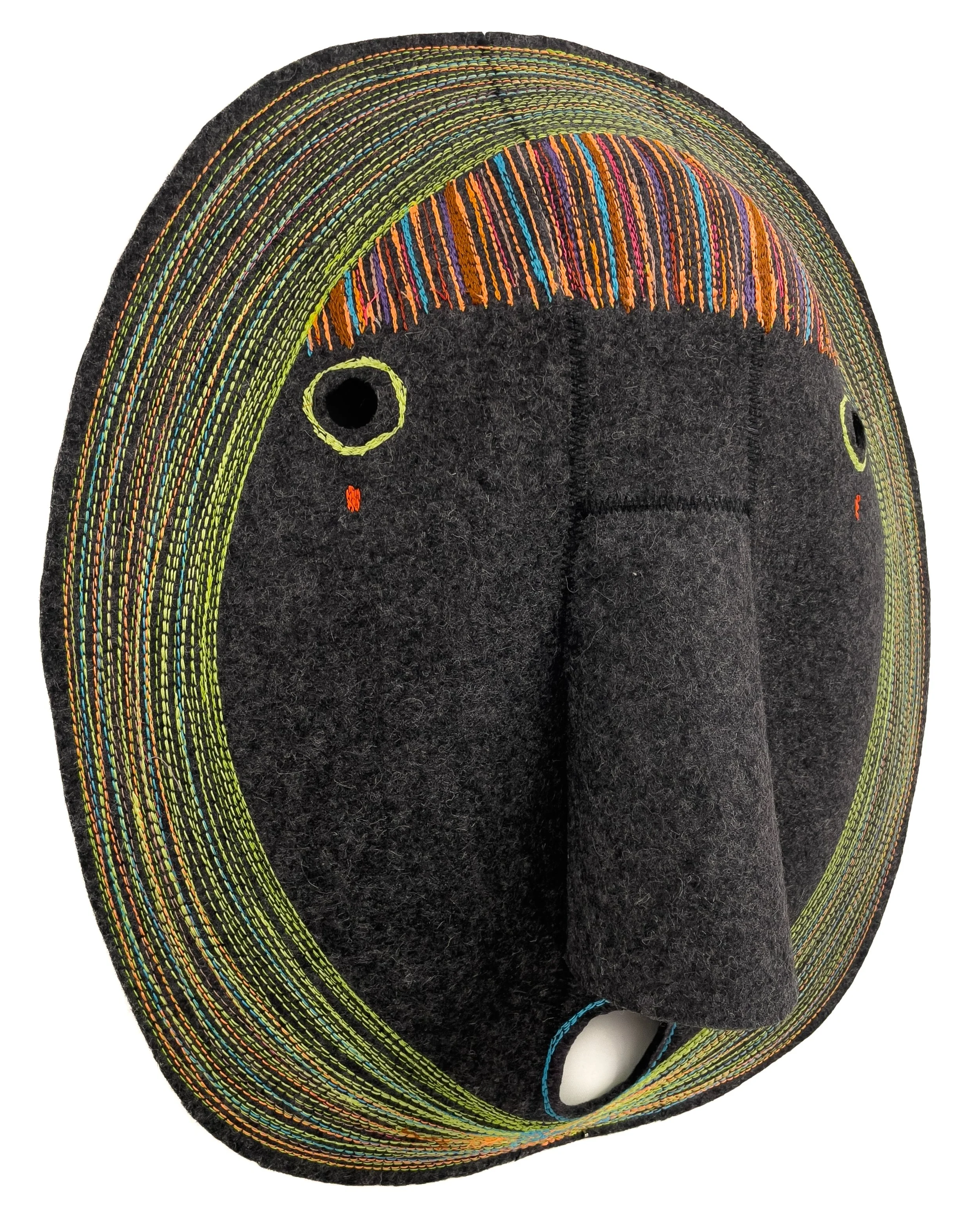
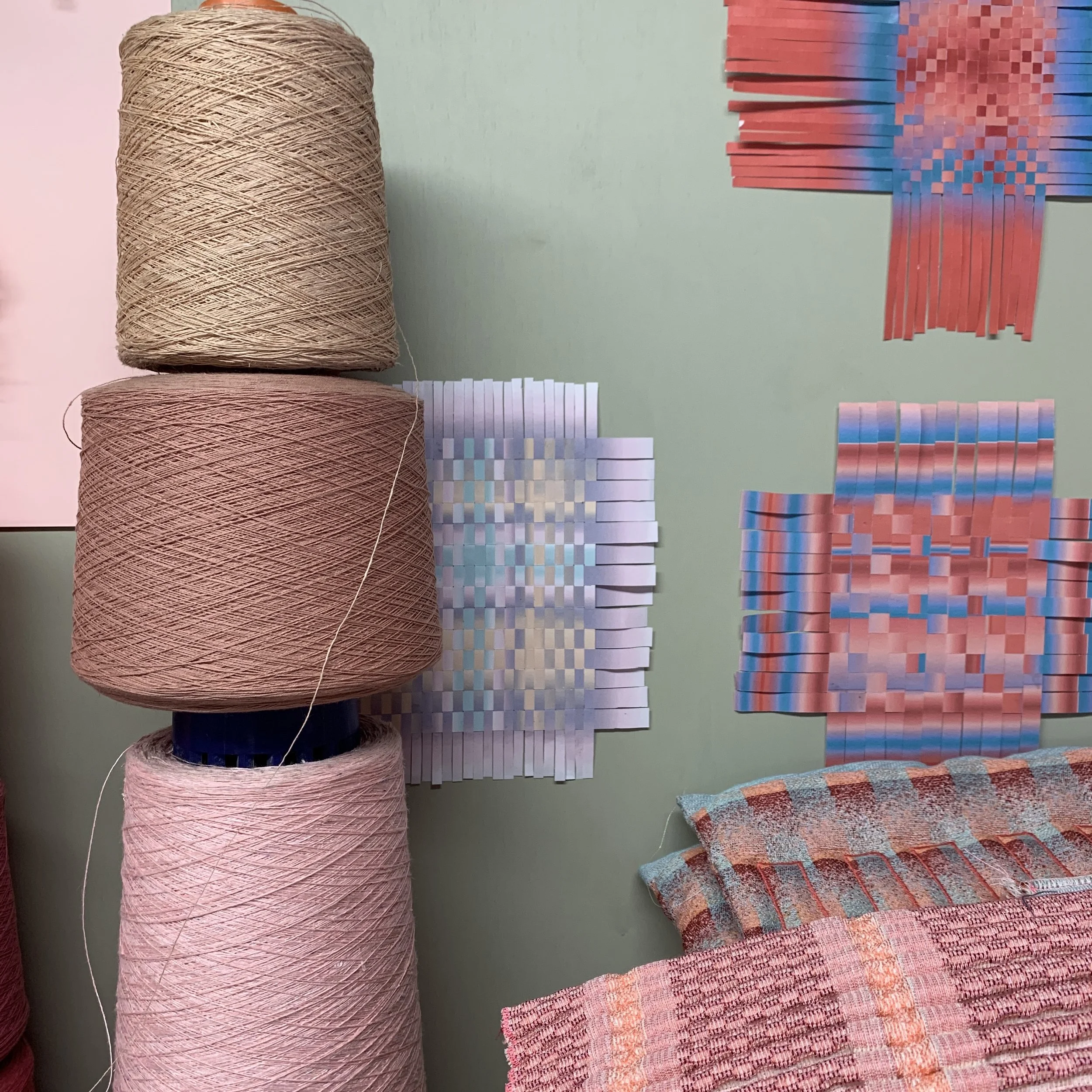
work by Elodie Blanchard

Textiles Close Up
Join a live virtual roundtable hosted by the Textile Society of America, bringing together curators, scholars, and artists from Central New York to explore the dressed body, wearable innovations, and how textiles shape identity. Wednesday, September 23, 2026, 12:00–1:30 PM online.
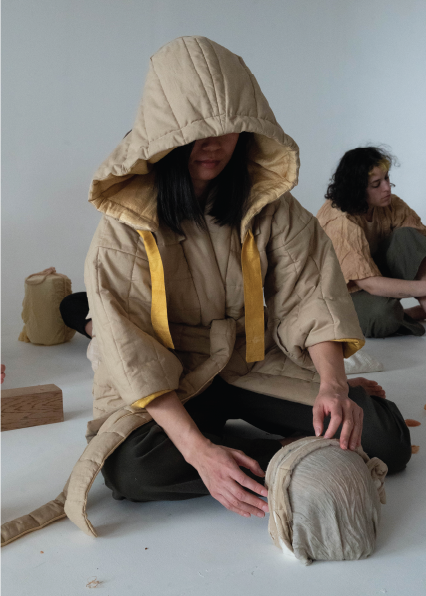
Rethinking Textiles in an Age of Waste
Online/ Talk / Dyeing
Rethinking Textiles in an Age of Waste: A Study of Japanese Traditional and Contemporary Textiles, based on a year of field research in Japan.
This talk presents research and findings from Larissa Zemke's Master's thesis, Rethinking Textiles in an Age of Waste: A Study of Japanese Traditional and Contemporary Textiles, developed through a year of field research in Japan (2019–2020). Using a research-creation methodology, the project examines how traditional Japanese textile practices and philosophies offer lessons for textile sustainability today, with a focus on translating those insights into the activewear industry.
Drawing on archival research, interviews with artisans, and hands-on material experimentation, the talk explores how Japan's textile heritage, from bast fiber cultivation to traditional dye and weaving practices, informs more circular, less wasteful approaches to material design. Larissa shares how these findings shaped tangible design proposals, illustrating how traditional knowledge can inform contemporary innovation in fast-moving, high-waste sectors like activewear.
Attendees will gain insight into Japan's textile traditions as a living case study for sustainability, practical frameworks for applying historical practices to modern material challenges, and a window into research-creation as a methodology bridging academic research and design practice.
This talk is ideal for designers, brands, and researchers seeking grounded, culturally rich approaches to rethinking material use and waste in the fashion industry.

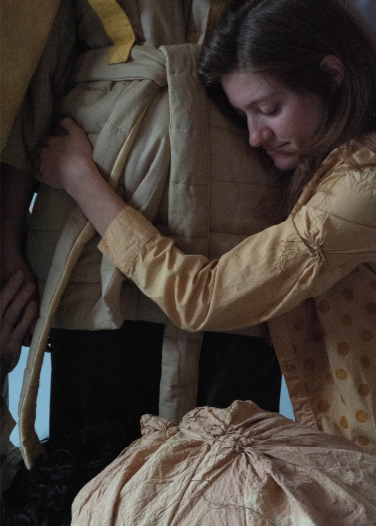
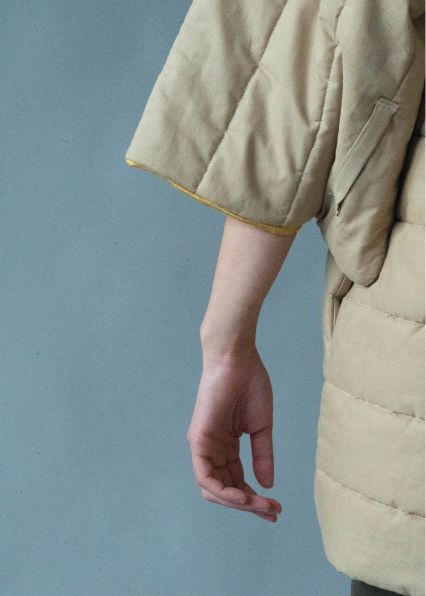
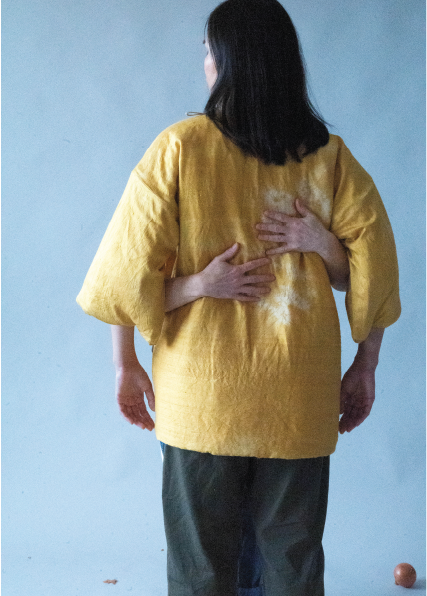
Larissa Zemke is a textile expert and material innovator focused on sustainability, natural fibers, and circular practices. Her international career across New York, Paris, Vienna, Kyoto, and Montreal spans print and embroidery, knitwear, leatherwork, dyeing, visual merchandising, and product management. She has contributed to an open-source textbook on corporate social responsibility published by SUNY, and is currently co-authoring a fashion-sector edition of the book.
Larissa holds a Bachelor's degree from the Fashion Institute of Technology and a Master's in Design from Concordia University (2023), rooted in a year of field research in Japan on sustainable fiber systems. She aims to advance innovation across the global apparel industry.
Larissa Zemke's consulting practice supports brands and institutions in advancing circular, responsible material practices through slow fashion frameworks and design with care. Her work has been shared through exhibitions, talks, workshops, and publications at leading design schools in New York, Montreal, and London. Recent collaborations include developing a biodegradable insulated jacket with Quebec industry partners and research conducted with Harvard's Innovation Lab.
She is also building a personal platform dedicated to slow fashion and sustainability. Larissa is open to interdisciplinary collaborations driving circular innovation across the global fashion industry.
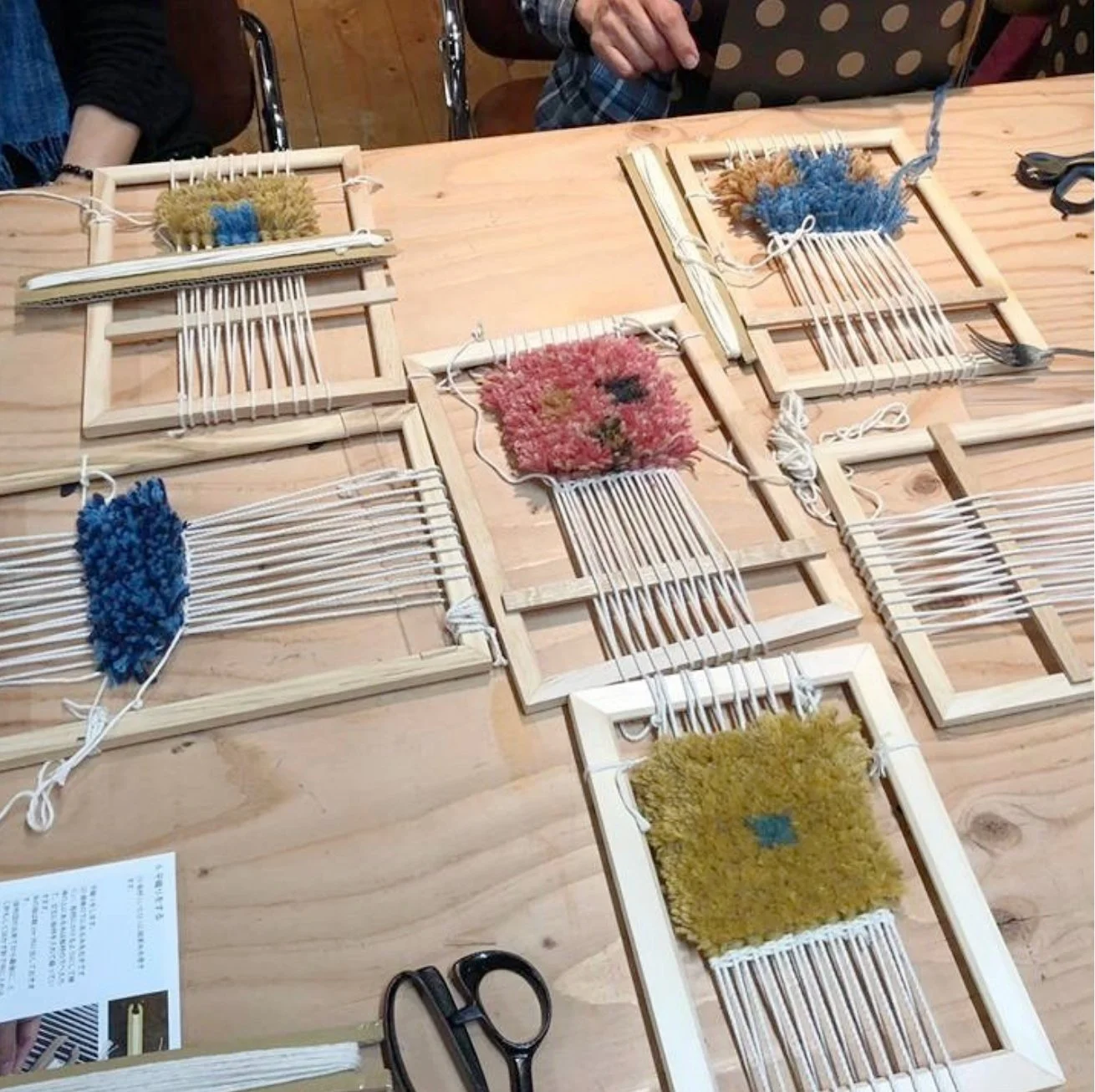
Knotting Sampler Workshop with Toyomi Harada
Looking for things to do in New York this September? Learn the Turkish knotting technique on a mini frame loom with instructor Toyomi Harada at Loop of the Loom — September 26 at the UES studio, September 27 in DUMBO — part of New York Textile Month.
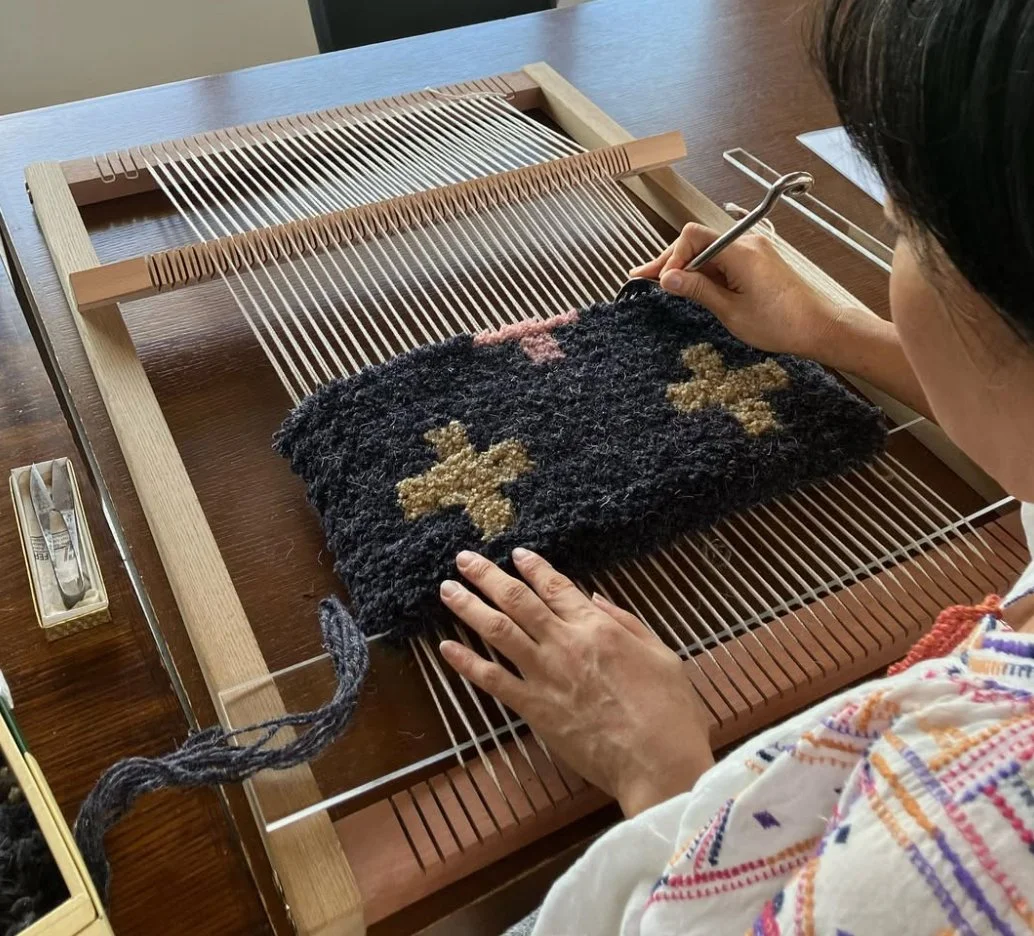
Where Every Rug Begins: A Full-Day Knotting Workshop by Noriko Yamanaka
Looking for things to do in New York this September? Learn the Turkish knotting technique on a mini frame loom with instructor Toyomi Harada at Loop of the Loom — September 26 at the UES studio, September 27 in DUMBO — part of New York Textile Month.
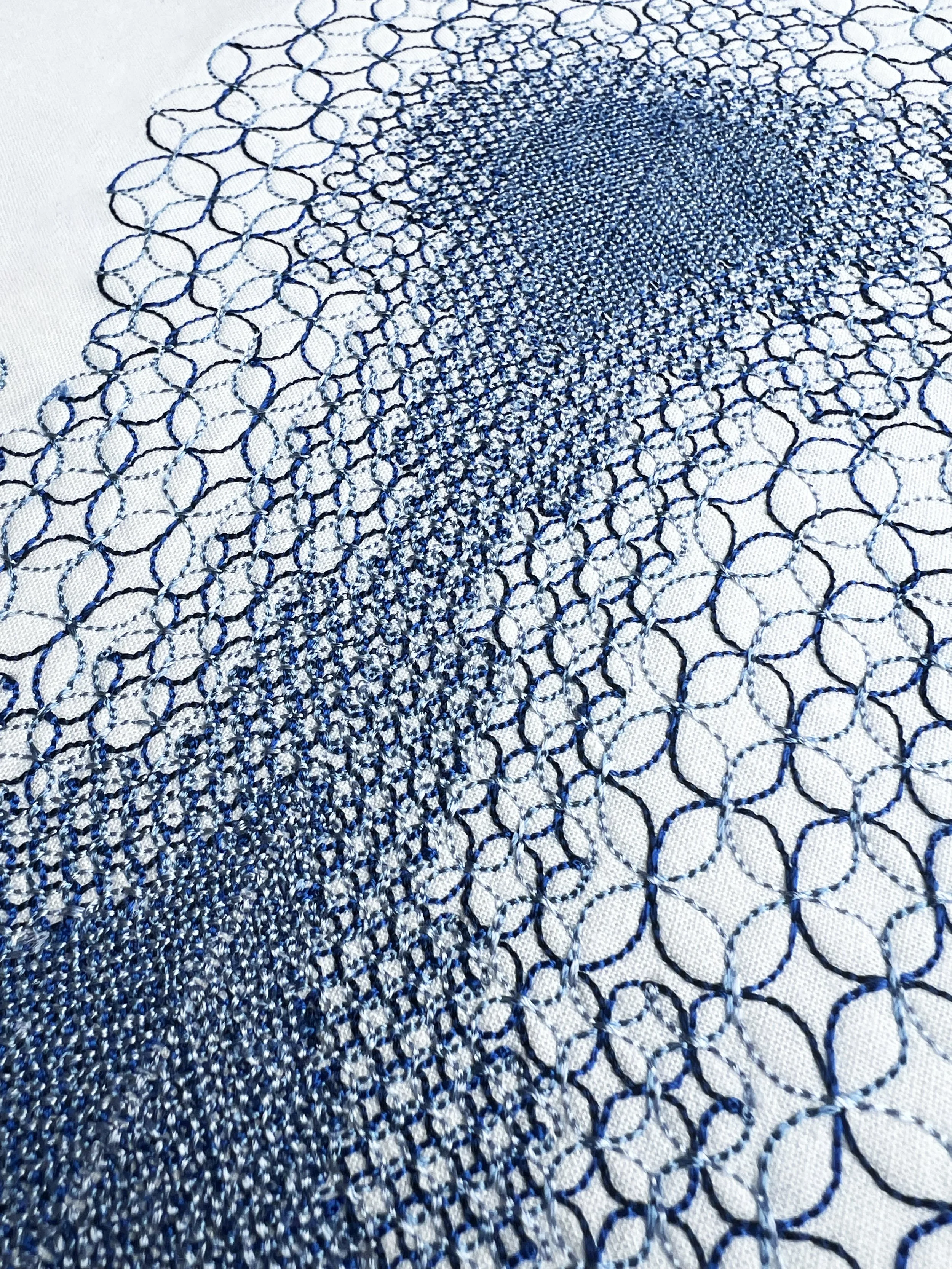
Machine Stitch
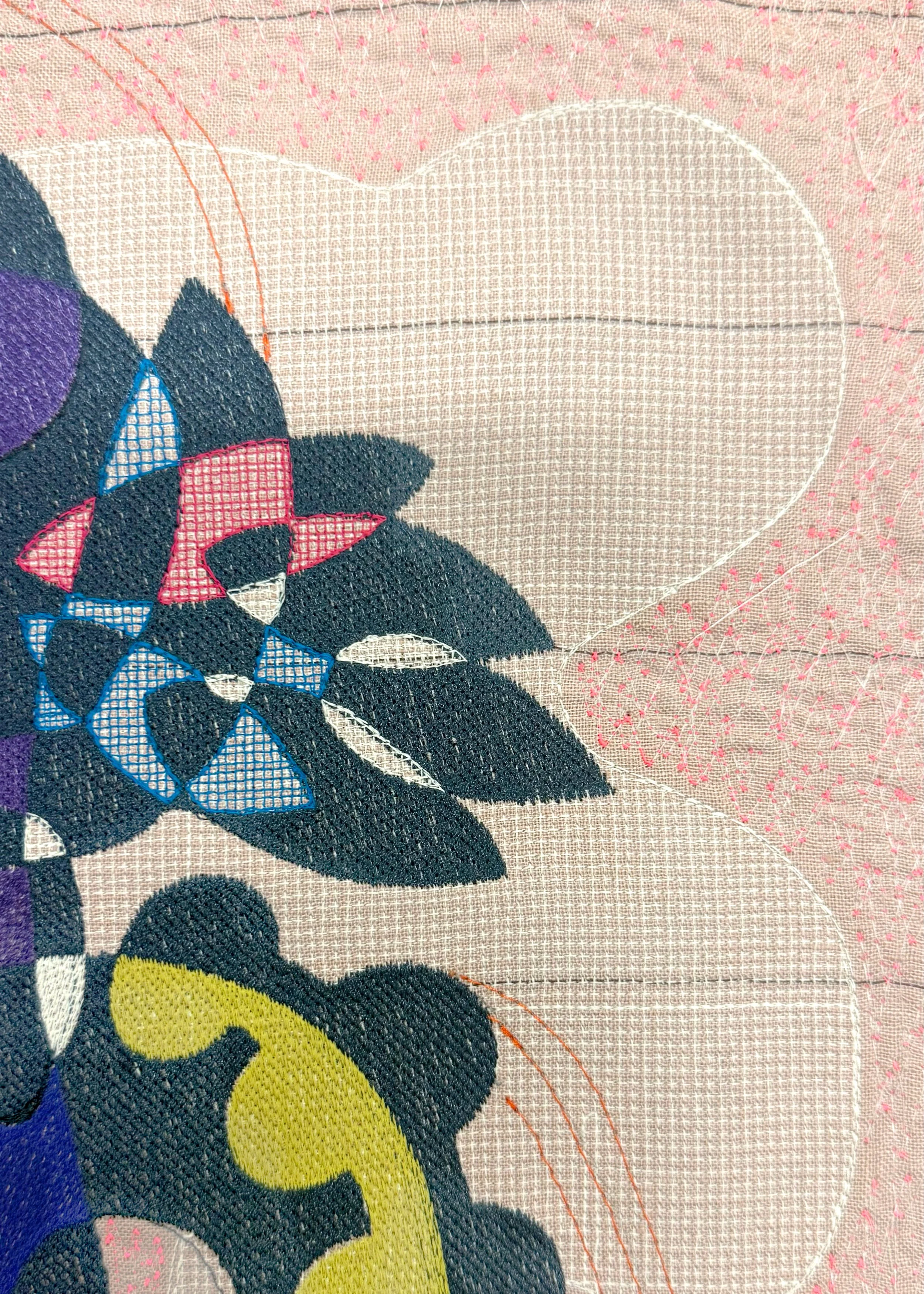
Machine Stitch brings together Response Patterns (Anette Millington & Travis Fitch) and artist Ragna Froda for a talk on digital embroidery, machine collaboration, and materiality—exploring how the embroidery machine becomes a creative partner in pattern, texture, and storytelling.
The Garment that Remembers
Online/ Talk / Knitting
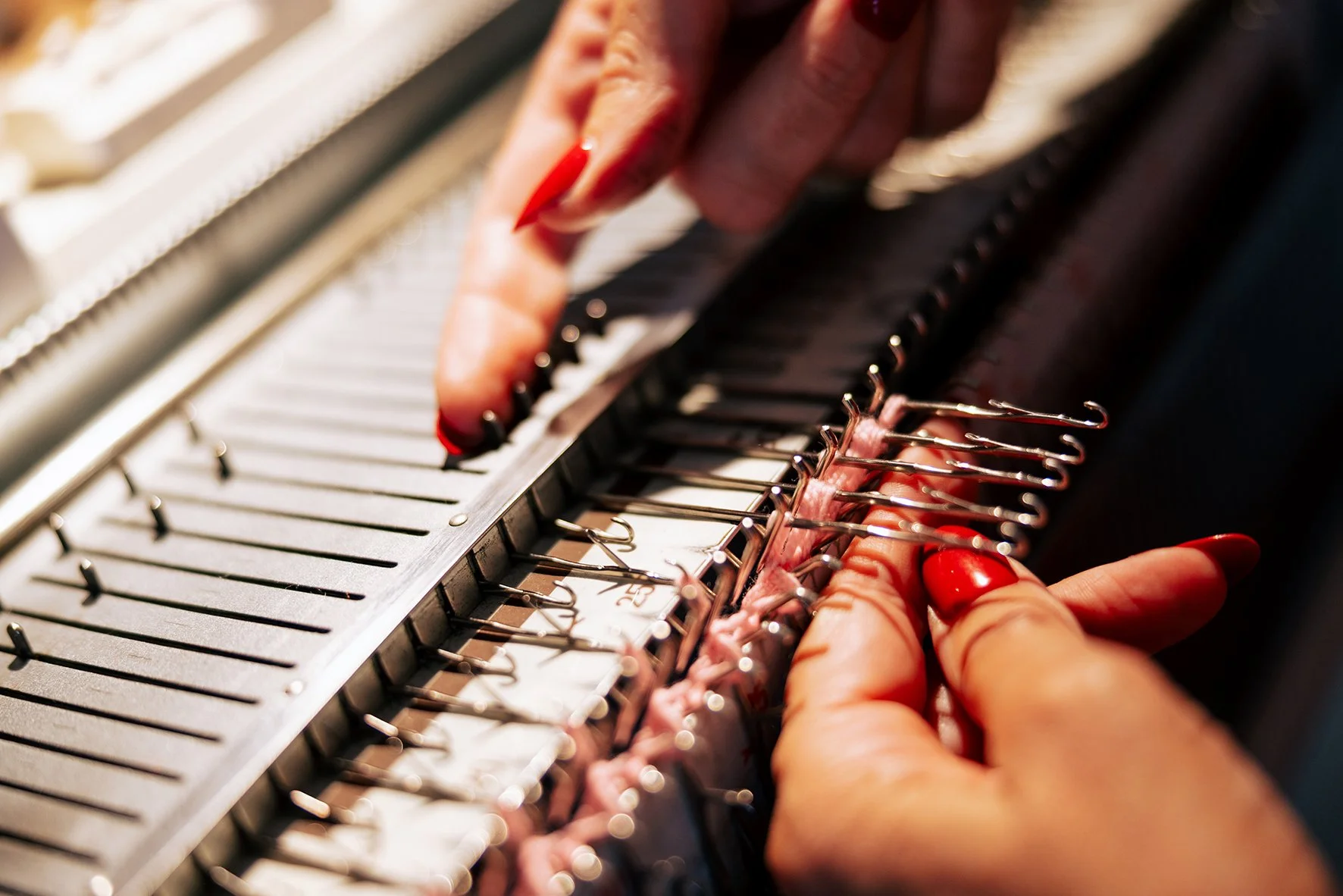
The Garment that Remembers: what our clothes know, and who tells their stories
Every garment carries a history: the hand that made it, the origin of its yarn, each repair and each new owner. For most of fashion's history that history has been lost the moment a piece leaves the maker. This live talk asks what changes when a garment is designed to remember.
Working live from her studio on the Fleurieu Peninsula in South Australia, designer and researcher Angelina Russo builds a poncho from vintage and deadstock yarns on vintage knitting machines, in a practice rooted in Italian textile heritage from the Sannio region. Because each piece cannot be replicated exactly, you watch its record assemble, stage by stage, as the poncho comes together.
Alongside the making, you read a garment of your own. Using a card provided online, you sort its fibres into natural and synthetic, look for proof that the fibre is what the label claims, and set down what you expect of the piece, how long you will keep it and how often you will wear it. The card then stays with the garment and waits, in a pocket or a drawer, for the day a decision about its future is due. That small act, a record that travels with a garment, is the everyday form of what the emerging Digital Product Passport is reaching towards.
What you'll leave with:
A card to keep with one of your own garments, written now and answered later
A way of reading any piece you own for the record it carries, and the record it has lost
A route to follow when a forgotten garment asks to be kept, repaired, passed on or recovered
This is a live session, presented before dawn from the other side of the world, with time for questions.
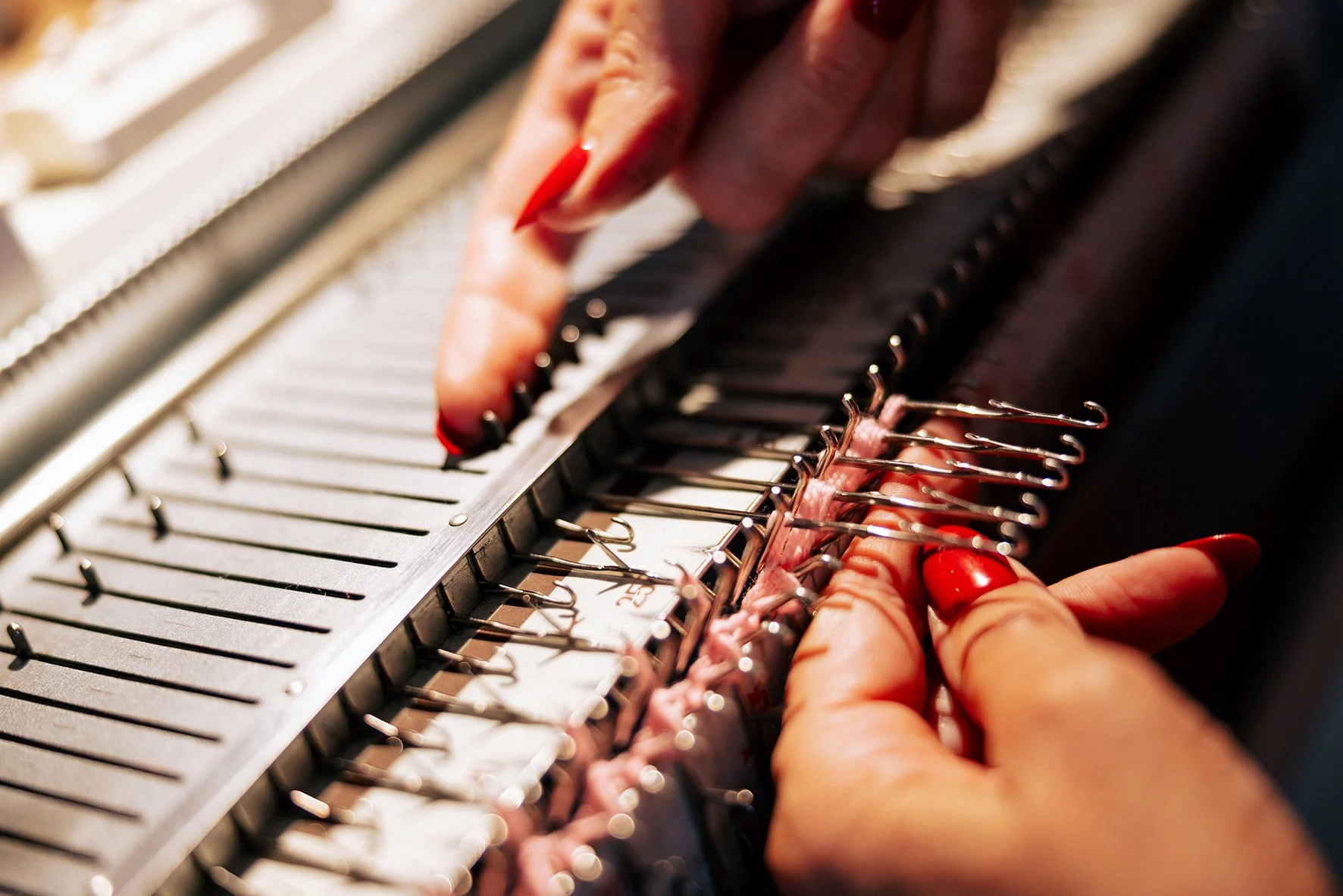

Angelina Russo is a designer and researcher, and the founder of Fleurieu Made, a circular knitwear studio on the Fleurieu Peninsula in South Australia. Working from vintage and deadstock yarns on vintage knitting machines, in a practice rooted in her Italian textile heritage, she makes one-off pieces meant to be carried for years. Alongside the studio she develops the FM Circular Fashion IQ Index, which makes circular practice visible and verifiable. Angelina researches how garments might carry their own records of origin, repair and afterlife, returning fashion's memory to the makers and wearers it belongs to.
Textiles in the Present: A Dialogue Between Tradition and Digitality
Online/ Talk / Multiple Techniques
For textile designer Františka Benčaťová, textiles are more of a principle, a system of construction, a certain kind of architecture, as well as a vessel for stories, memory, and the present. Textiles are a timeless medium for her, a vision of the future, a platform for experimentation and innovation, a fascinating living organism that subtly and unobtrusively invades our environment. It is close at hand and yet invisible. Textiles are a ritual, a space, and a memory.
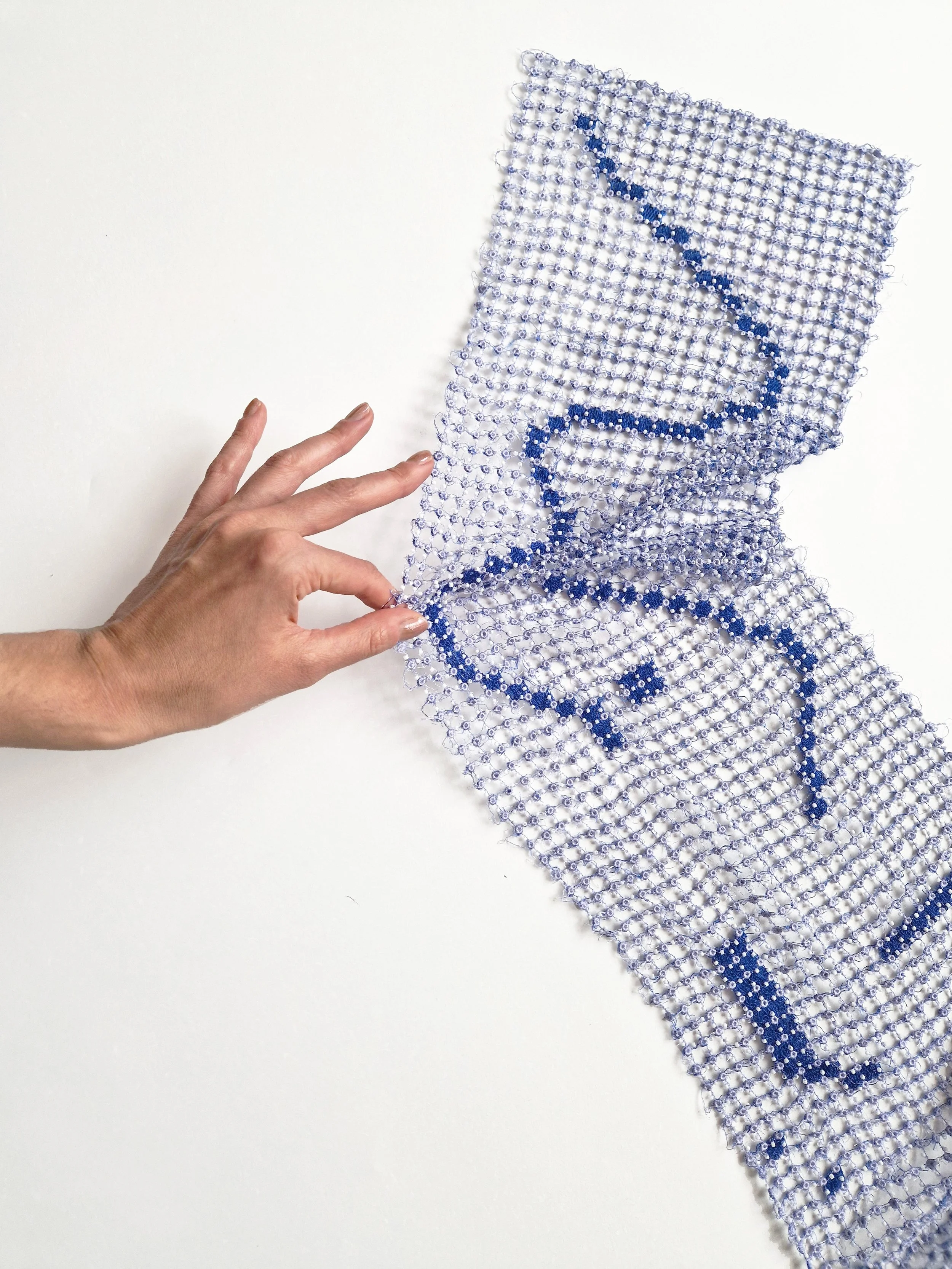
In her online lecture TEXTILES IN THE PRESENT: A DIALOGUE BETWEEN TRADITION AND DIGITALITY, you’ll gain insight into her personal observations on textiles. The designer will offer a detailed look at her textile practise, which draws on craft traditions while pushing their boundaries through industrial machinery and programming to reach a new level of innovation. She experiments with her own weaving techniques to process narrow-leaved cattail by hand. She liberates embroidery from its base material and enriches it by sewing on glass beads in collaboration with a digital embroidery machine. She views the simple basket as an archetypal textile object and, through industrial jacquard weaving, creates multiple perspectives on this object—whether as a three-dimensional form directly on the loom or through a surface-level visual illusion. All of her textile approaches are united by curiosity and experimentation across various textile disciplines, a distinctive focus on structure, and an emphasis on the construction and creation of textile objects through innovative methods.
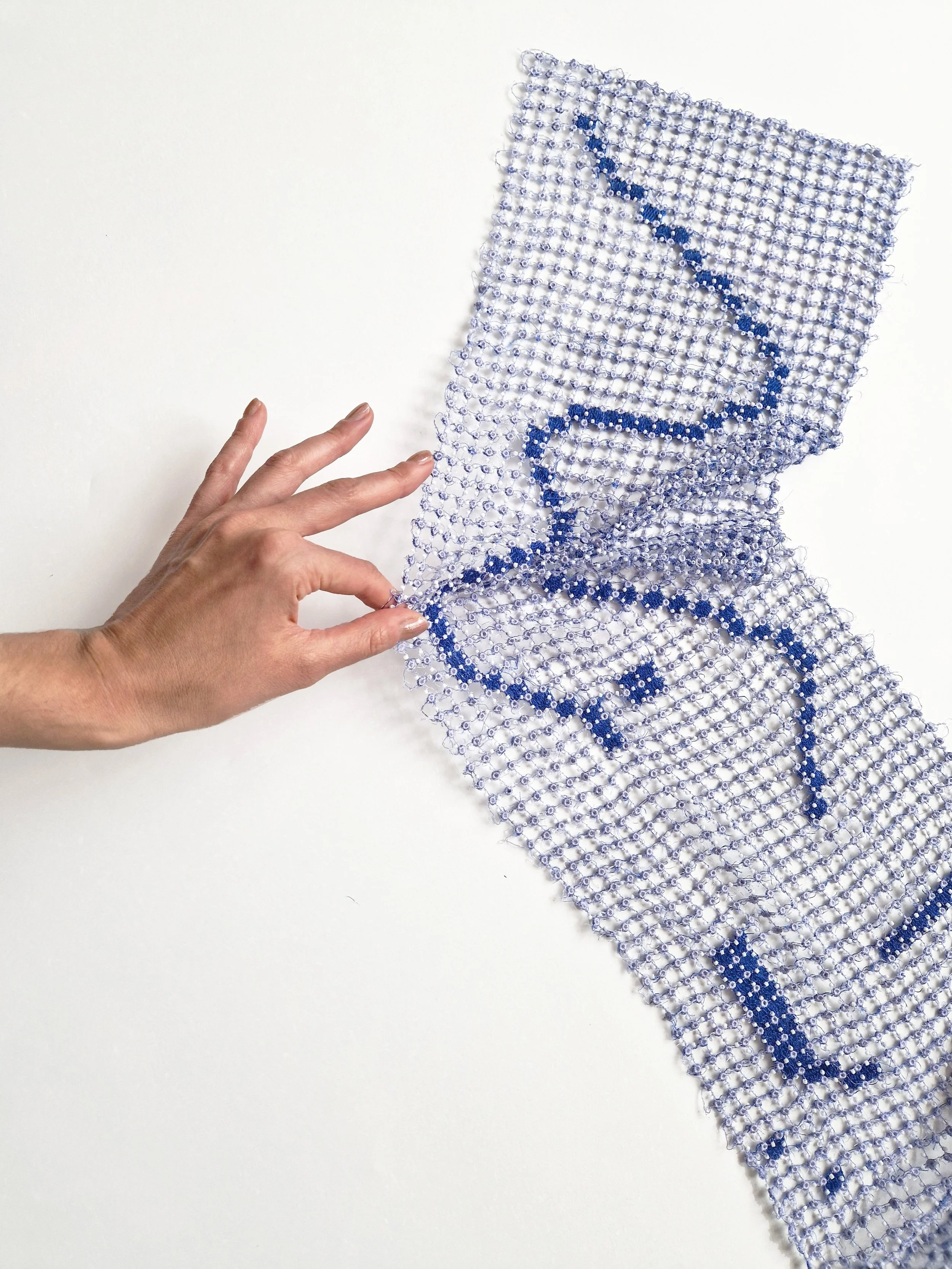
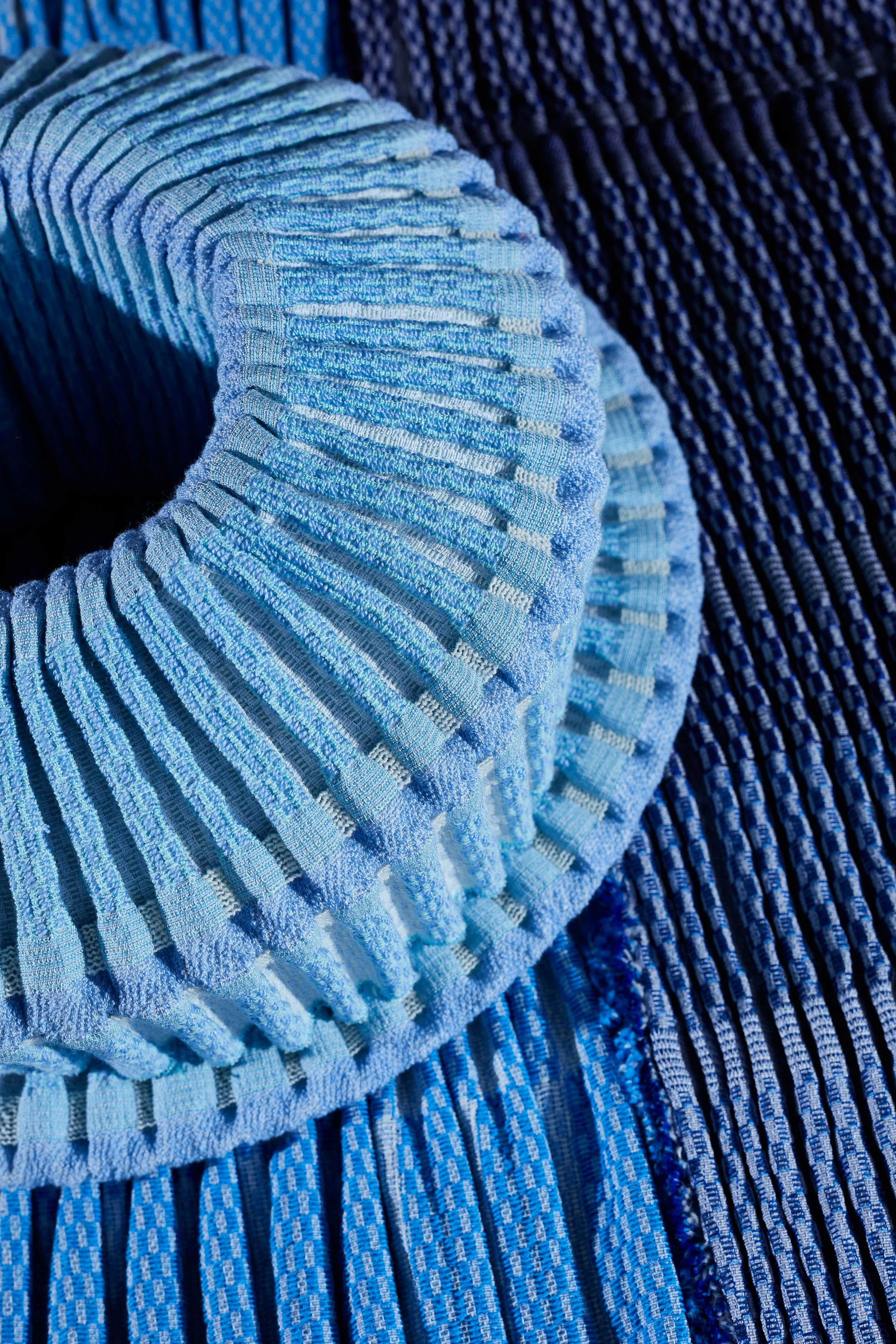
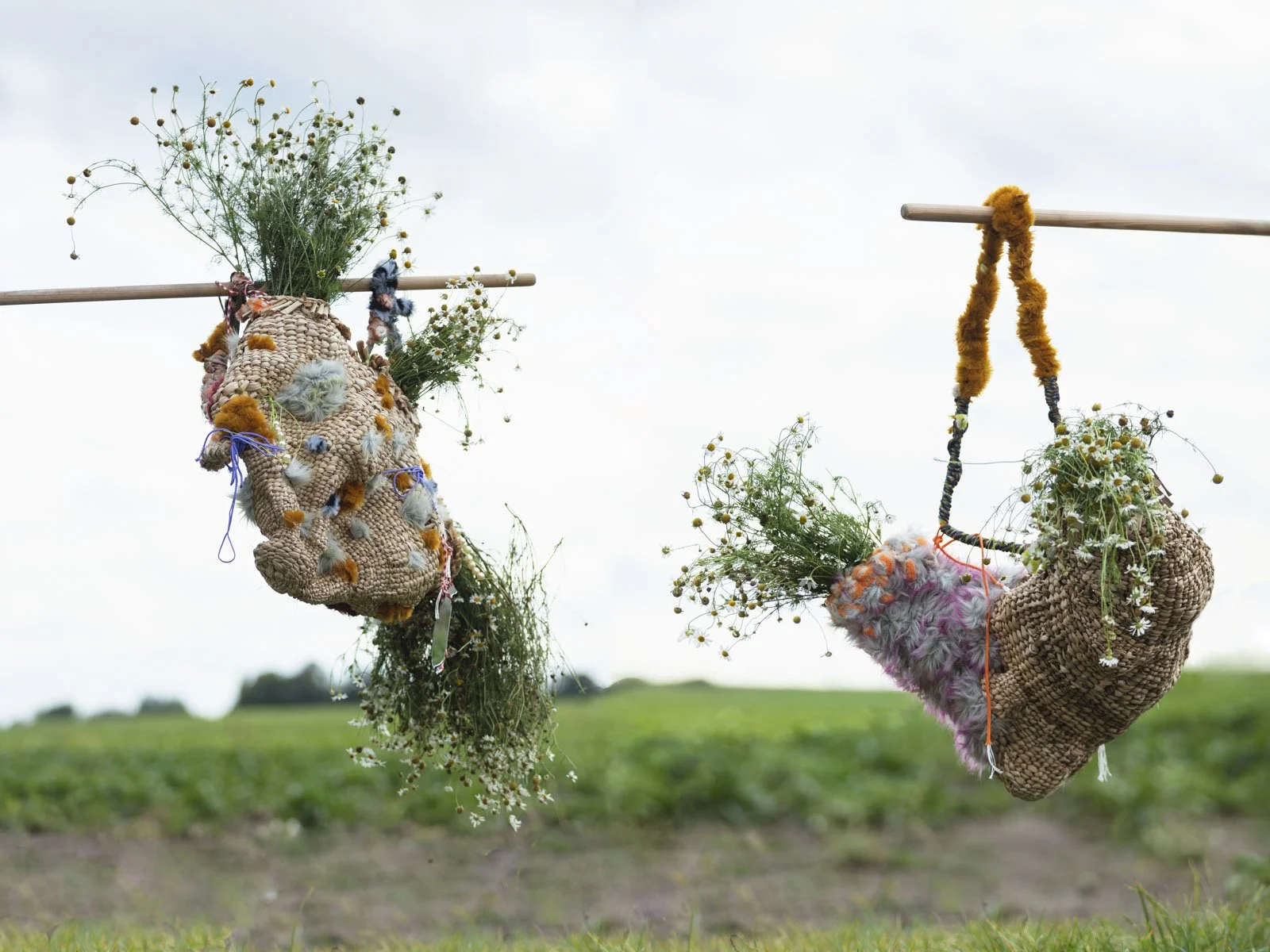
Františka Benčaťová (1996) is a Slovak textile designer based in Prague and a graduate of the Textile Design Studio at UMPRUM (2023). Her work has been influenced by a study visit to KASK in Ghent (BE) under the supervision of Esther van Schuylenberg, as well as a work placement at Simone Post Studio in Rotterdam (NL).
Her work is characterised by an emphasis on the construction and architecture of textiles, which she uses to experiment with materials at the intersection of traditional craft techniques and industrial processing, combined with digital technologies. The playfulness and curiosity of her work are underscored by an optimistic colour palette, tactile spatial effects and a speculative conceptual approach. The designer enjoys pushing the established boundaries of how textiles are viewed and worked with. She perceives textiles as carriers of stories and emotions, as well as a structural principle for discovering and exploring the possibilities of textiles and their existence in the world (contemporary, imaginary, future). The research process is an important aspect of her work.
She currently works as a textile designer in the automotive industry, where she specializes in industrial jacquard weaving and knitting, with a focus on fibre knowledge, textile technology and innovation.
7 WORDS OF HOPE - Panel Discussion
In person / Talk / Multiple Techniques
7 WORDS OF HOPE: Love Joy Peace Courage Empathy Compassion Happiness
Panel Discussion: The Future of Handmade
Join us for an afternoon of conversation with cultural luminaries and artists as we discuss the relevance of handmade work, textiles, craft, couture and luxury, resilience, and the 7 Words of Hope in our modern world.
Moderated by Mary Jaeger, featuring special guest panelists:
Debra Rapoport @debrarapoport
Raylene Marasco - Dyenamix, Incdyenamix.com@dyenamixinc
Robert Danes - The Dane's New York @thedanesnyc
The program at Mary Jaeger Atelier:
Opening Reception: Sunday, September 6
12:00 PM - 5:00 PM Gallery Open
Artist Talks at 2:00 PM Learn more here
Panel Discussion: Sunday, September 13
12:00 PM - 5:00 PM Gallery Open
Panel Discussion at 2:00 PM - 3:30 PM
Closing Reception: Thursday, September 17
12:00 PM - 8:00 PM Gallery Open
5:00 PM - 8:00 PM Closing Reception
Artist Talks at 6:00 PM
Exhibition: Sunday, September 6 - Thursday, September 17
12:00 PM - 5:00 PM Daily, other times by appointment: email mary@maryjaeger.com
No registration required!
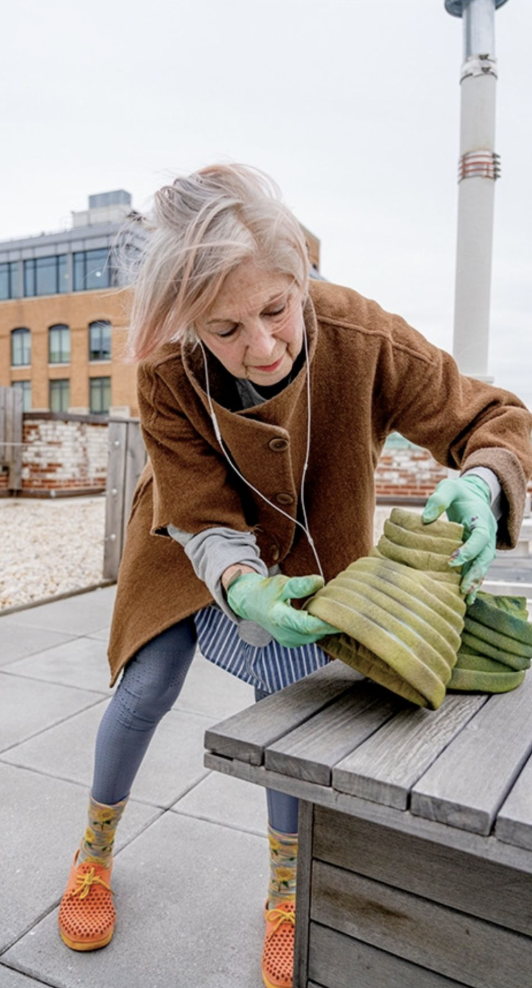
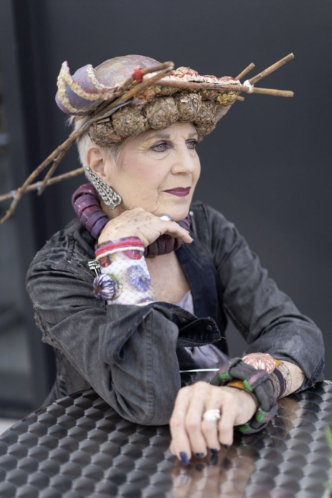
“Where there’s CREATIVITY there are no RULES; where thereare no RULES, there is NO FEAR.” - Debra Rapoport
NYC-based Textile Artist l Creative & Educator
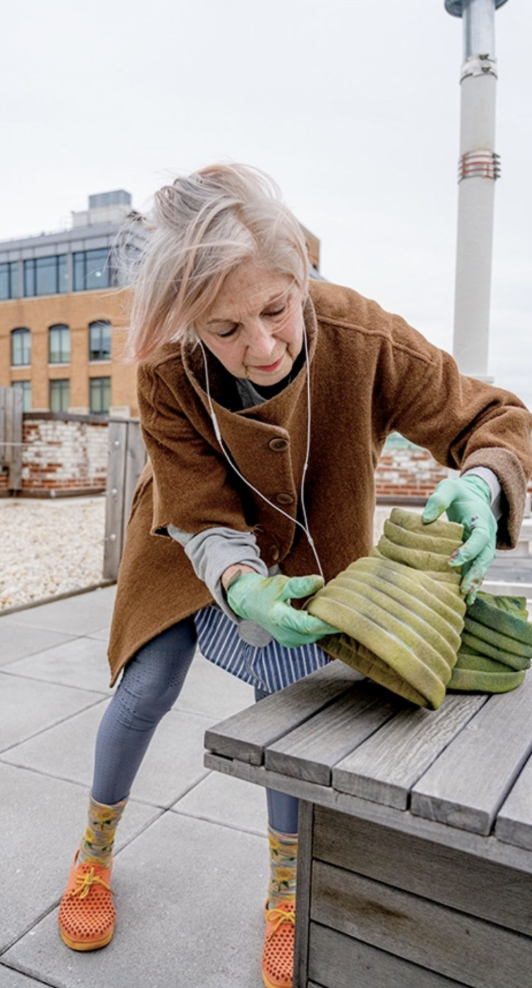
Debra Rapoport is a mixed-media artist celebrating the transformative power of creativity. Utilizing found materials—fiber, cloth, paper, metal—she constructs intricate body embellishments and sculptural hat forms that promote "HATITUDE." A fixture in the Advanced Style movement, Rapoport’s work reflects her philosophy that "style is healing." Her acclaimed pieces have been exhibited internationally at institutions including the Met, the Hermitage, and the National Gallery of Victoria. An accomplished educator with degrees from Carnegie Mellon and UC Berkeley, she has taught at UC Davis and major NYC institutions like MoMA, dedicated to the belief that life is better with age.
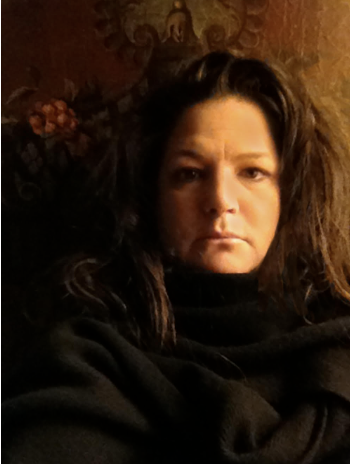
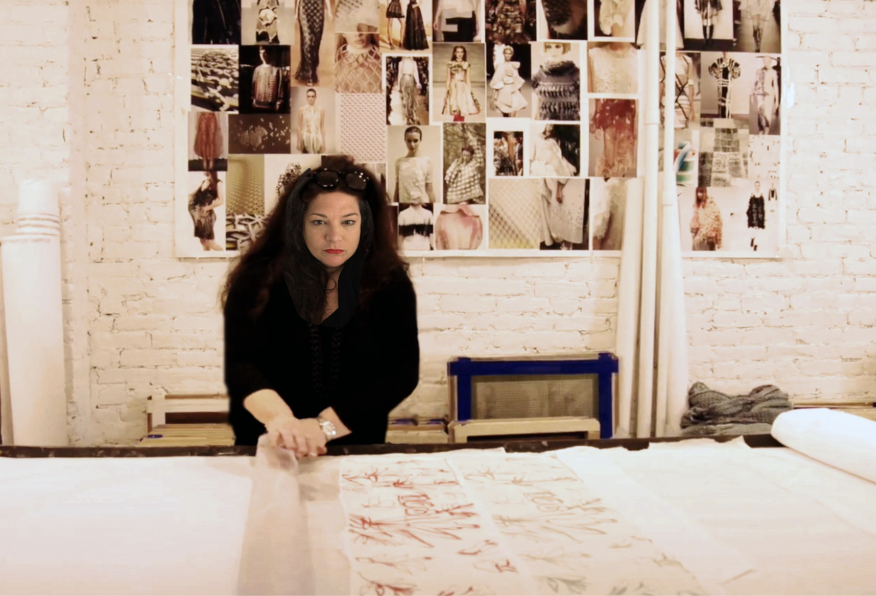
Raylene Marasco, Dyenamix, Inc
“I approach each project with creativity, passion, integrity and artistic sensibility.” - Raylene Marasco
Dyenamix Inc l Founder & Creative Director
Raylene Marasco founder of Dyenamix, Inc., is a sculptor turned surface designer known for experimental, high-profile textile projects. Since 1991, she has collaborated with top designers across fashion, film, theater, and fine art to create innovative, bespoke fabrics. Her work graces runways from Ralph Lauren to Oscar de la Renta, Broadway stages like The Lion King and Wicked, and collections at MoMA and the Met. Whether for film, costumes, or residential interiors, Raylene approaches every project with artistic sensibility and technical precision. Her innovative textile solutions help define the aesthetic of iconic projects worldwide.
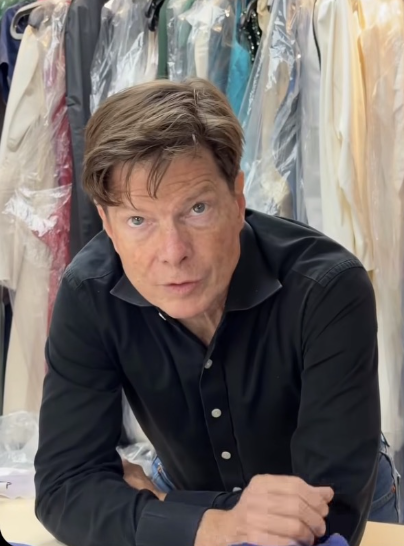
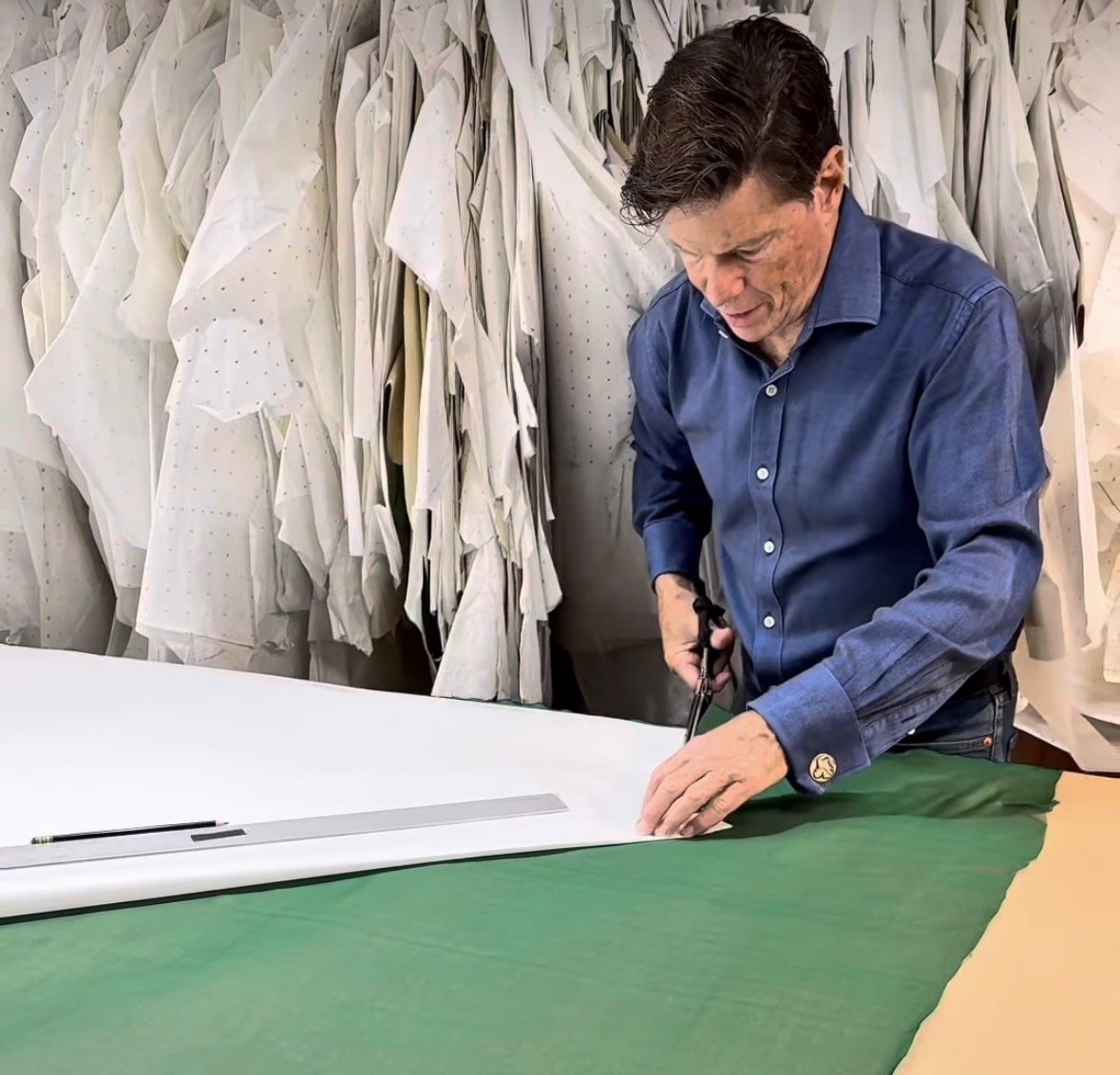
Robert Danes, The Dane’s New York
“There was no ignoring my passion for making clothes and designing, and I started a career that continues to this day.” - Robert Danes
The Dane's New York l Custom & Made-to-Measure Designer
Robert Danes has been making clothes since his grandmother taught him to sew in high school. After graduating from Yale with a degree in architecture and working on Wall Street, he pivoted to his true vocation, establishing himself as a fixture in the American retail landscape. Over a career spanning 30 years, most notably at Barney’s and now Bergdorf Goodman, Danes has evolved into a premier evening wear designer, celebrated for his intricate custom and made-to-measure collections that combine traditional rigor with modern, thoughtful elegance.
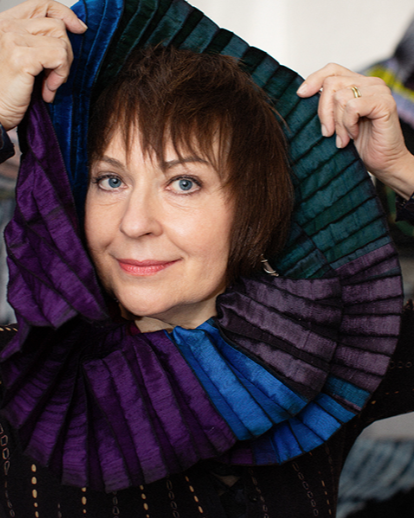
Mary Jaeger
“The core of my textile work is inspired by my passion for handmade and handcrafted details, twisting colors, textiles and patterns in unorthodox ways” – Mary Jaeger
NYC-based Contemporary Textile Accessory Designer I Artist & Innovator
Mary Jaeger’s work explores the intersection of modern elegance and rich tradition. Her aesthetic is defined by uncluttered textiles and accessories that seamlessly meld ancient Eastern sensibilities with contemporary Western design. Drawing on years of study and work across Japan and other areas of Asia, Southeast Asia, and Europe, Jaeger creates timeless collections for fashion and interiors that transition effortlessly between seasons, settings, and occasions. Her work is exhibited nationally and internationally, and can be experienced firsthand at her atelier in Brooklyn, NY.
Located in Williamsburg, Brooklyn, the Mary Jaeger Atelier is a creative studio and retail space where innovative textile designs move from conception to production. Focused on sustainability and circularity, the atelier produces one-of-a-kind and limited-edition clothing, accessories, and interior objects. Mary’s collections utilize natural fibers, shaped-resist dyeing (shibori), and three-dimensional fabric manipulation, often reimagining vintage and post-production materials. Beyond production, the atelier serves as a vibrant community hub for the textile arts, hosting hands-on workshops, international exhibitions, and panel discussions that teach new skills, explore the value of handmade work, and foster camaraderie among makers and clients.
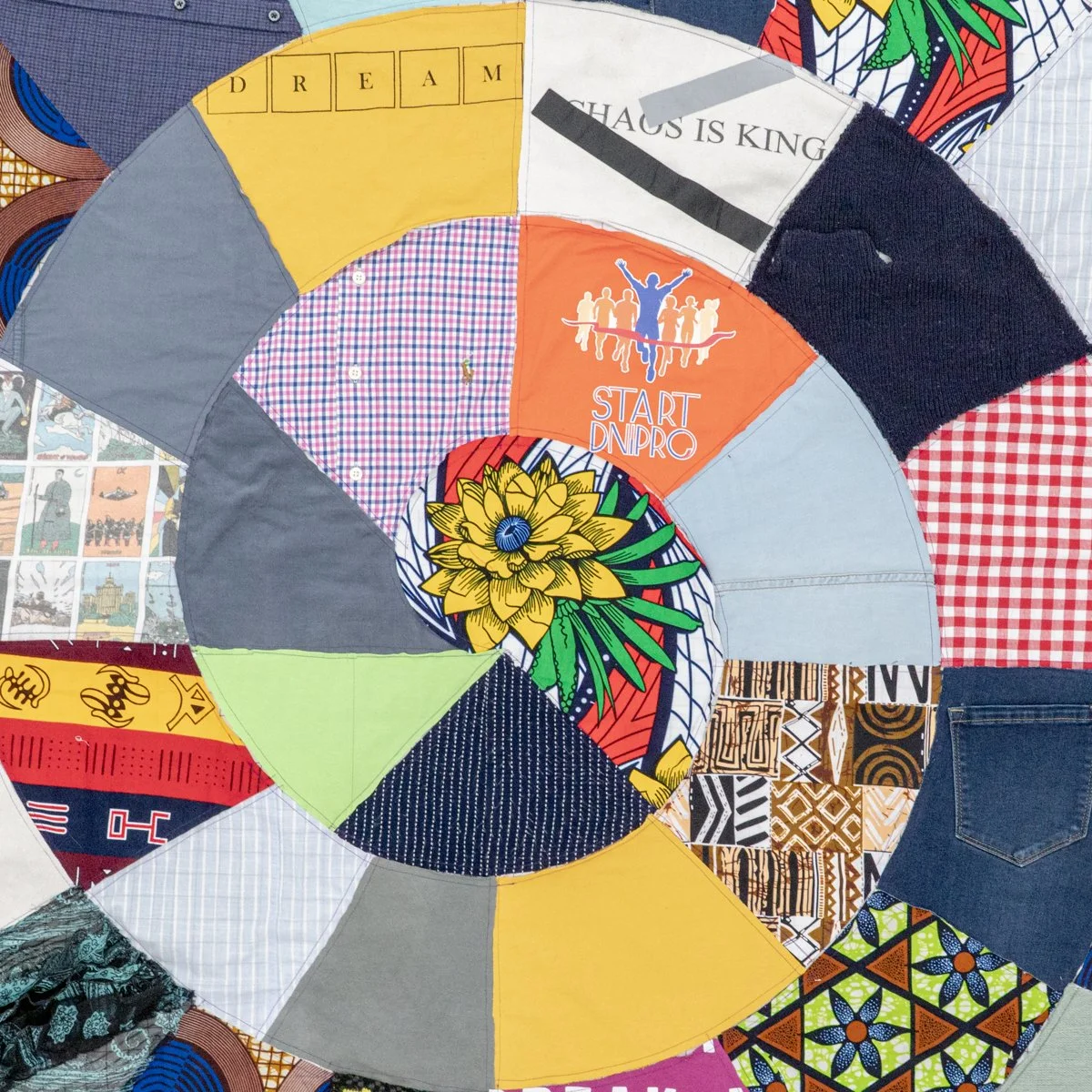
The Cold Stitch Artist Talks and Reception
In the Nordic countries, stitching has long transcended simple decoration or domestic craft. It has been a necessity, a means of storytelling, survival, memory, and care. Shaped by cold climates and long winters, textiles historically became vital vessels of warmth, protection, repair, and continuity, carrying the deep traces of everyday life and cultural identity across generations. The Cold Stitch brings together contemporary artists from across Scandinavia whose practices engage with textiles as both a tactile material and a profound language. The title refers not only to the geography of the North, but also to our relationship with textiles and the act of stitching itself. A stitch repairs, connects, layers, and transforms. It binds physical fragments together while allowing hidden histories, emotions, reflections on the political climate, and personal narratives to remain visible.eractive session for makers and thinkers to collaborate, connect, and spark new ideas.
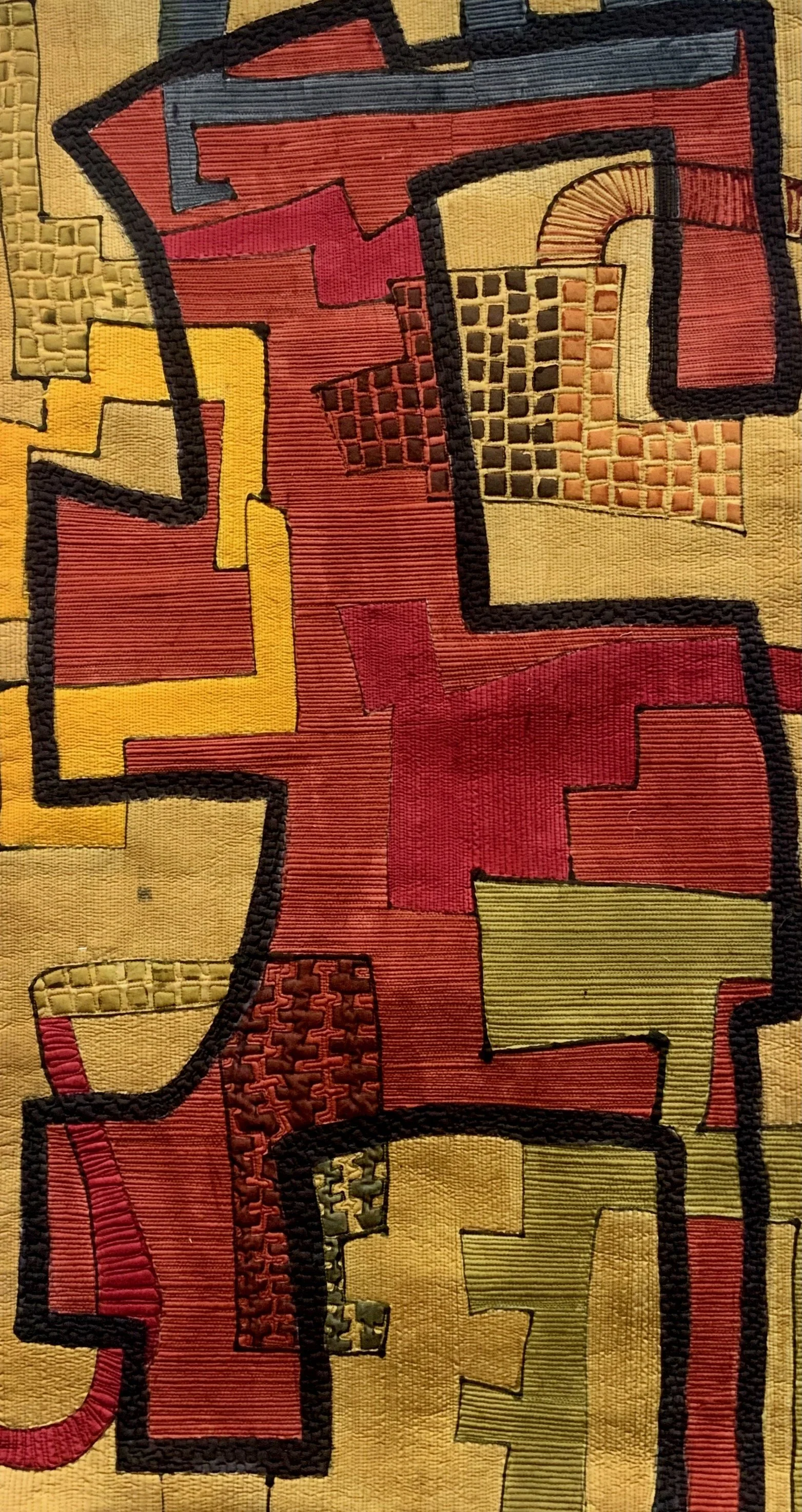
Untethered Works
In person/ Talk / Multiple Techniques
Artists Peggy Black, Julia Graziano, and Sarah Pavlik explore abstractions in fiber on Thursday September 10, 2026 from 1-3 PM, and author Nicole Nerhig discussing her book " With Her One Words: Women Weaving their Stories Thursday September 10th, 11:30- 12:30.
Gallery artists Peggy Black, Julia Graziano, and Sarah Pavlik exhibit their recent and evolving textile art, each artist holding a distinct and innovative voice. Working by instinct and intuition, all three are deeply inspired by abstraction as well as the element of surprise and the search for the unknown. Using fiber, these artists create works sensitive to line, shape, color, texture, and stitch, compiling a collection that speaks to their personal dialogue with the materials. From pieced fabrics to dyed, pigmented and painted cloth, this exhibit embodies bold experimentation in fiber. Together, the artists demonstrate the profound relevance of textiles in contemporary art. We encourage the audience to view the exhibition with their own untethered curiosity and imagination.
Special events September 10, 2026
11:30 am - 12:30 pm: Nicole Nehrig, author of With Her Own Hands: Women Weaving Their Stories, will discuss her exploration of the ways women have used textile work to create meaning and purpose in their lives throughout history and around the world. Nicole provides a model for how to create a meaningful life through textiles today that engages our minds and alters our relationship to time.
RSVP to Book Talk with Nicole Nehrig
1:00-3:00 pm: Artist Talks: Black, Graziano, and Pavlik will reflect on their artistic process and practice, including a discussion of specific art works, inspiration, outside influences, techniques, and experimentation, as well as their exploration of design.
3:30-6:00 pm: Opening Reception
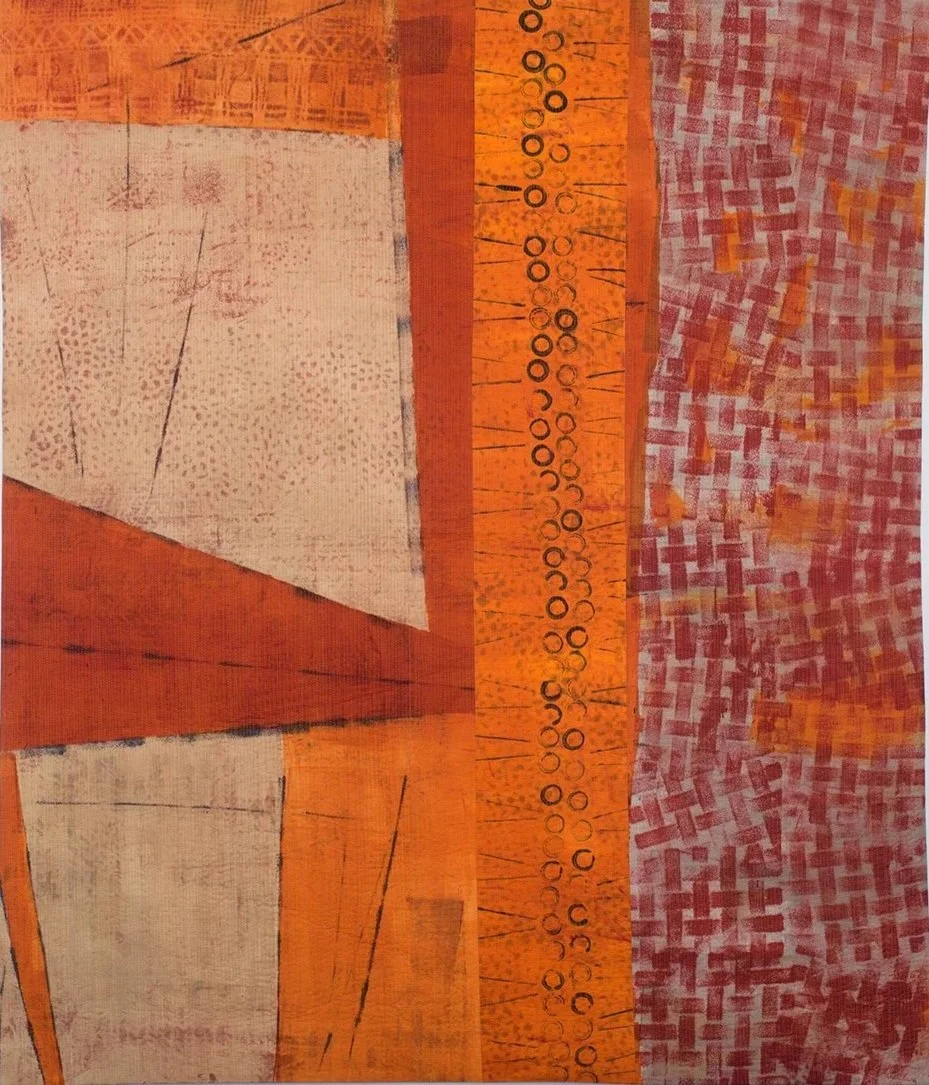
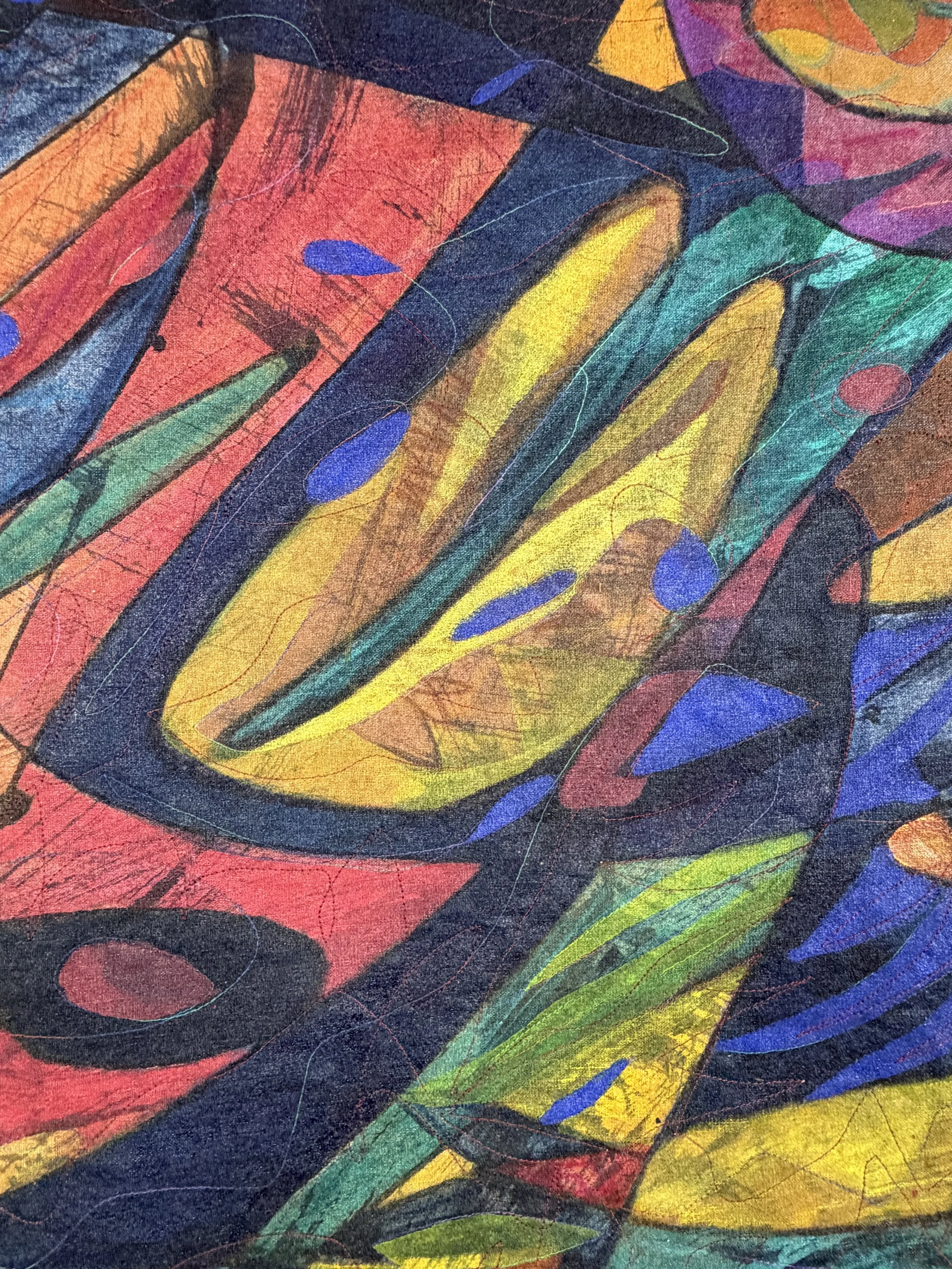
left photo: Chris Hay
Textile Art Gallery NYC is an artist run gallery In Chelsea, New York City's premier art district. We are dedicated to exhibiting and selling innovative textile art- abstract quilts, weavings, three dimensional fiber works and all forms of fiber art - that provoke thought, ignite dialogue, and express bold artistic vision.
Endless Pattern
Online/ Talk / Weaving
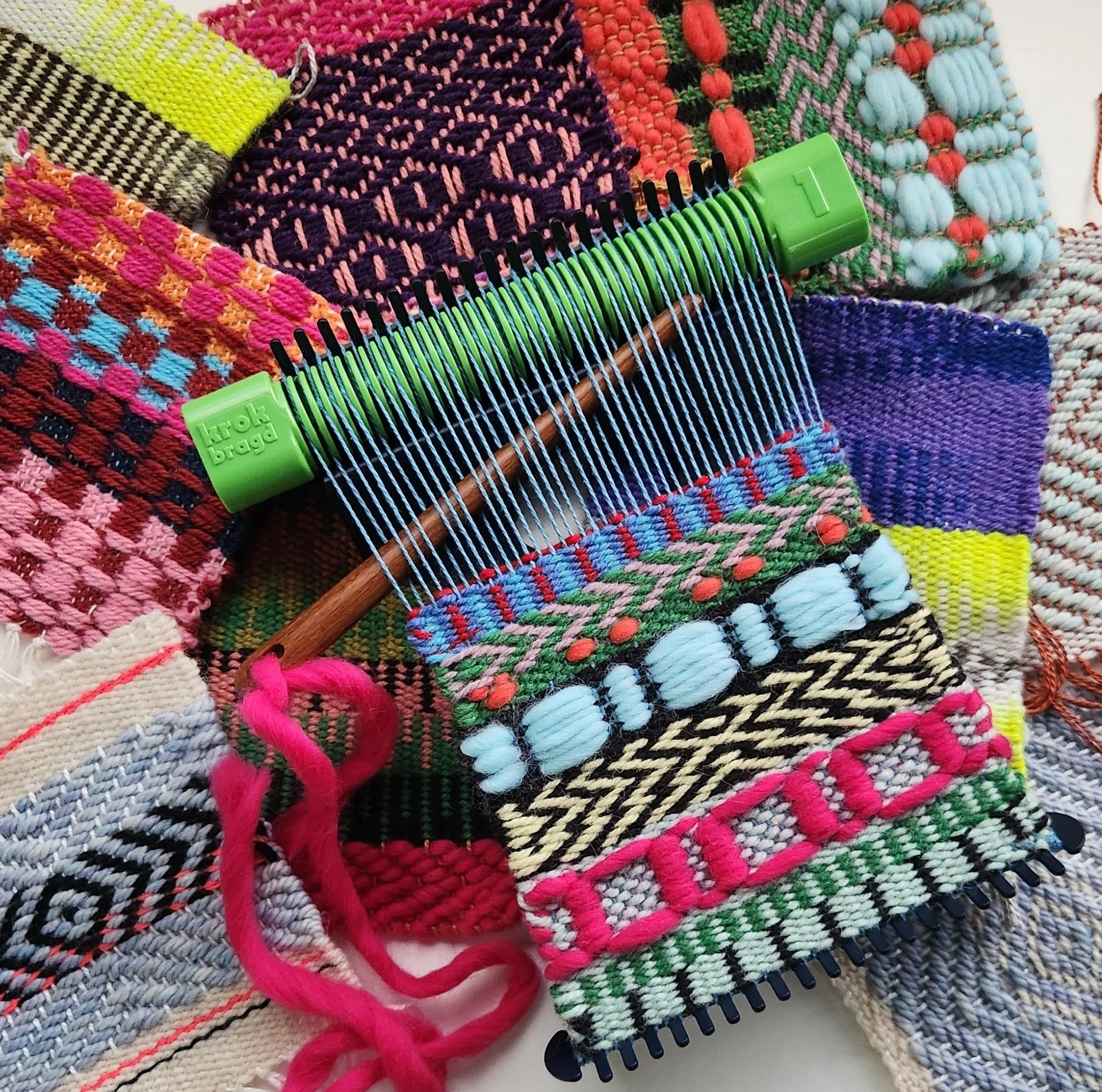
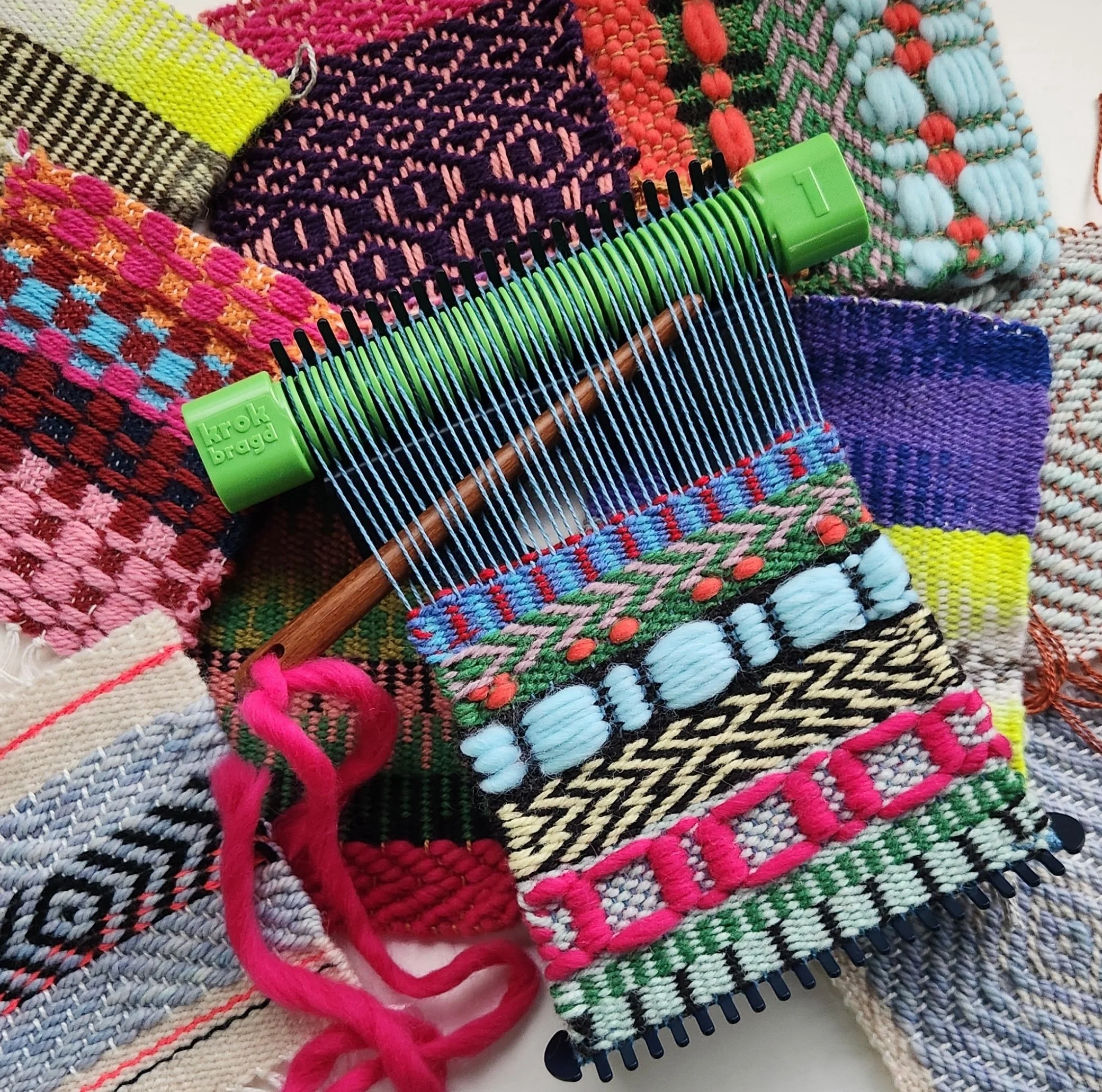
Endless Pattern: Weaving, teaching, and design on the BoomLoom Boss
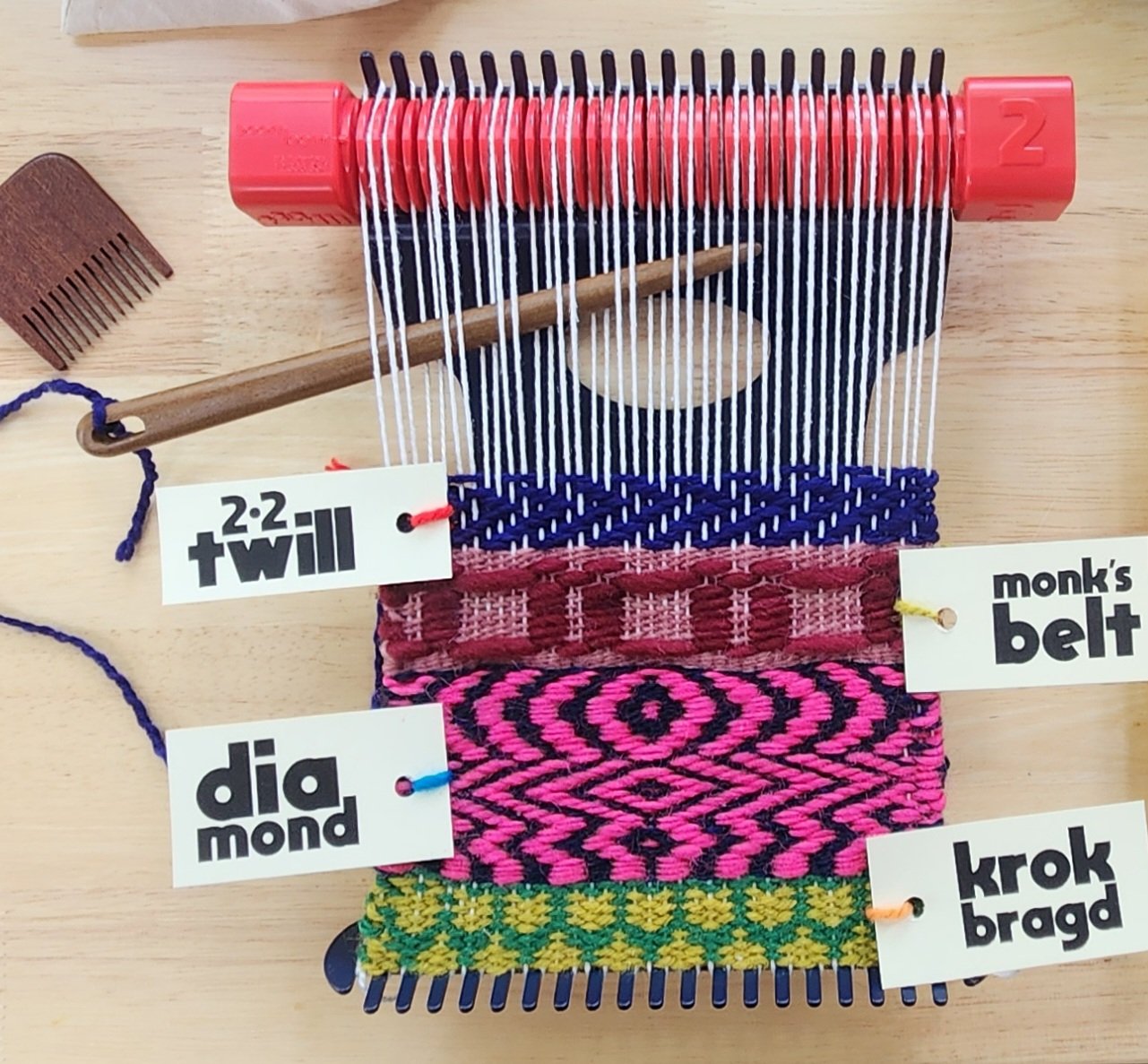
This session will explore the capabilities of the Boss, an award-winning handheld loom that creates complex weave structures and patterns like a multi-shaft loom but has just two pieces and sets up immediately. Traditional looms require that you configure structure first, discover woven patterns later. The Boss lets you explore pattern directly and intuitively without tie-ups, treadles or drafts. The small size and simple interface makes it a powerful, accessible learning tool for material exploration and creative practice, with a range from beginner to expert in one tool.
Designer and founder Lauren Puchowski will discuss the loom and related digital patternmaking tools as a way to expand access to the design language of weaving. We'll examine the creative possibilities in traditional structures such as twill, monk's belt, krokbragd, rosepath, waffle weave, and doubleweave. We'll also touch on applications in public art and personal practice, the loom's active online community, and uses in grade schools, universities and for artists with disabilities. The session will conclude with a Q&A, for a total length of no longer than 60 minutes.
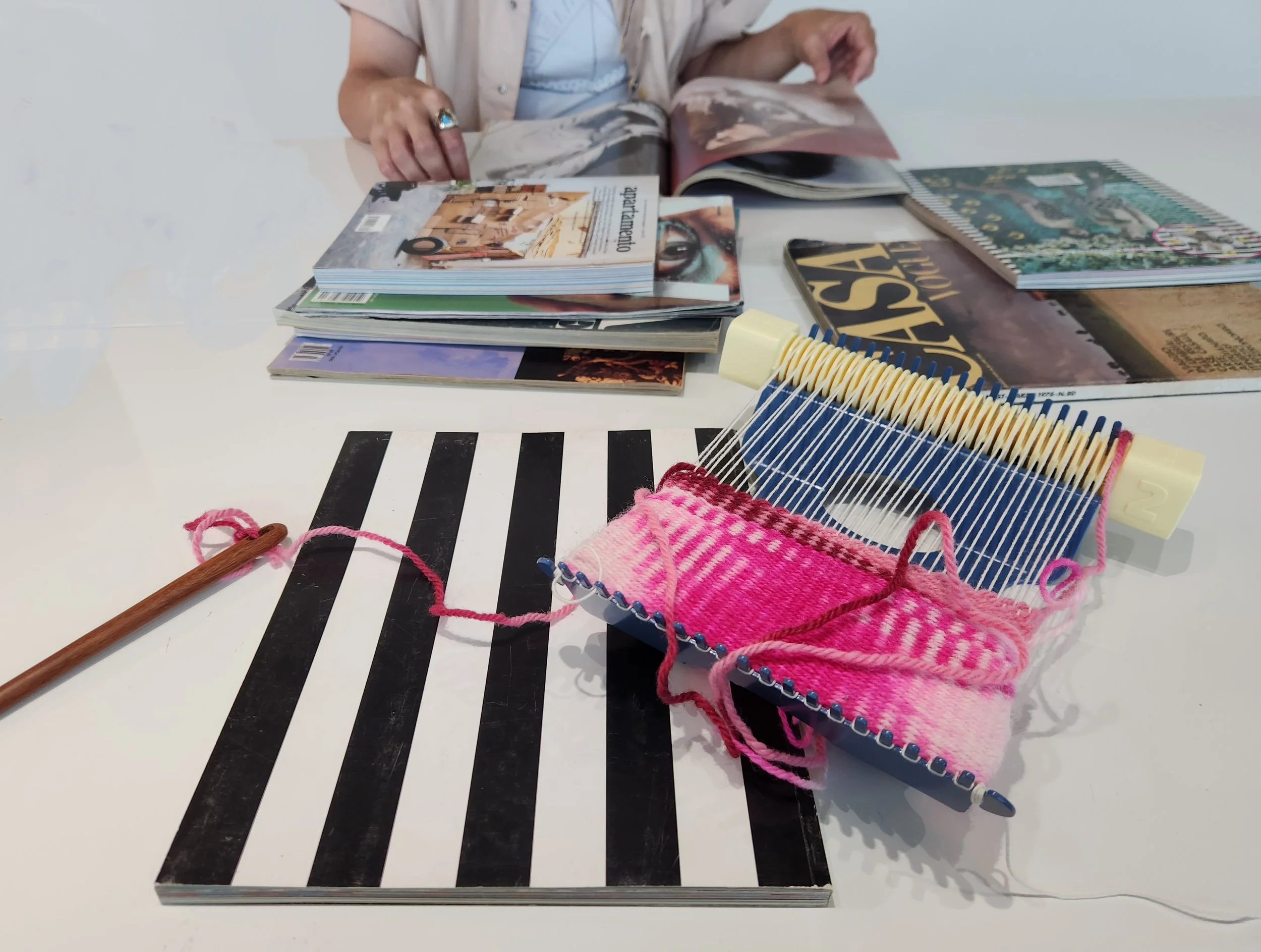
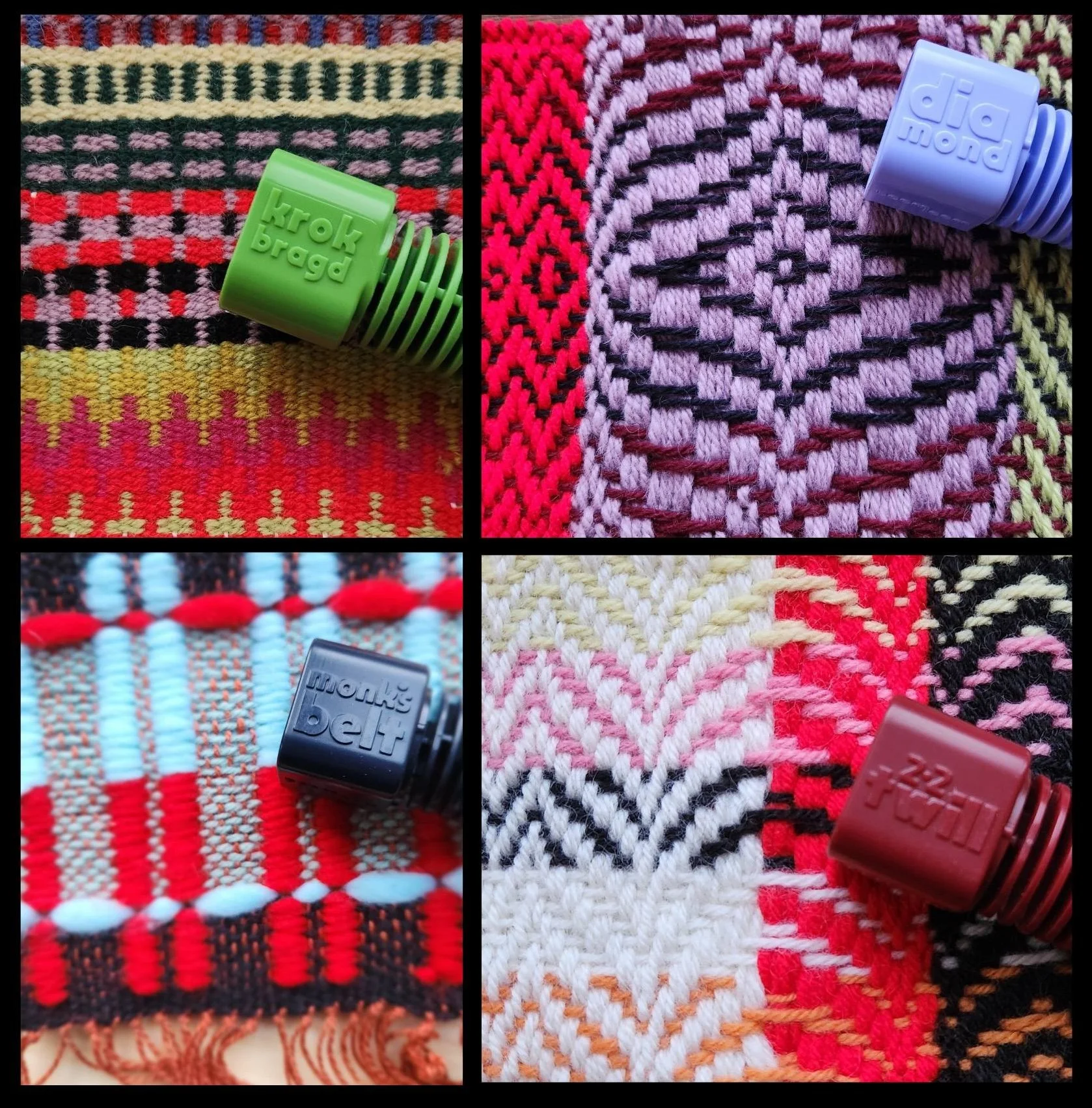
Lauren Puchowski is an artist and maker from North Carolina. Not a weaver, she began experimenting with shedding devices on tiny handheld looms as a way to make weaving an image closer to the gesture of line drawing. A prototype with a rotating heddle bar produced a diagonal rib; that became the basis for the Boss.
7 WORDS OF HOPE - Talk
In person / Talk / Multiple Techniques
7 WORDS OF HOPE: Love Joy Peace Courage Empathy Compassion Happiness
7 WORDS OF HOPE explores the profound, historically intertwined relationship between textile and text—both acting as potent systems of non-verbal communication that invite deep, individual interpretation.
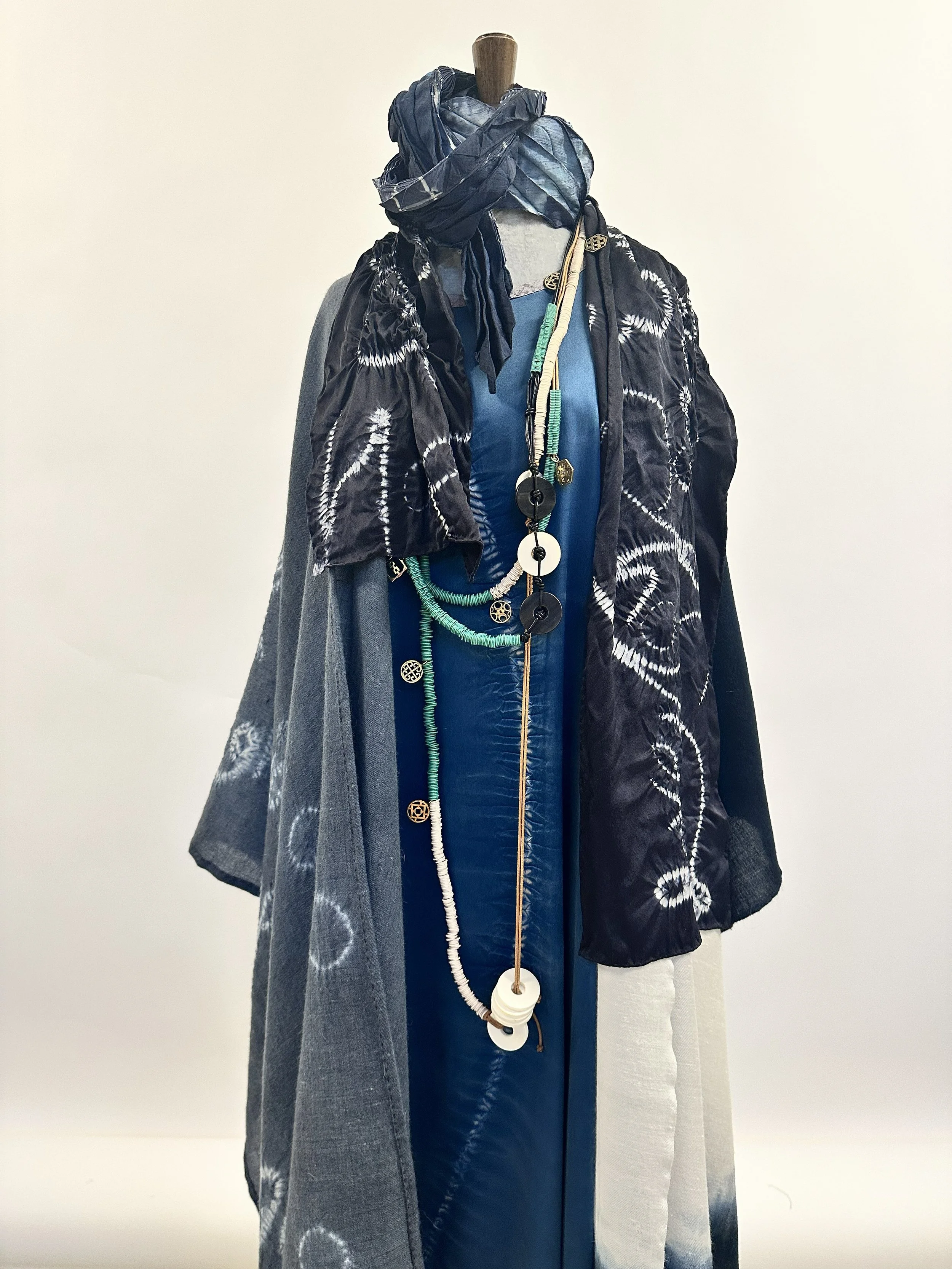
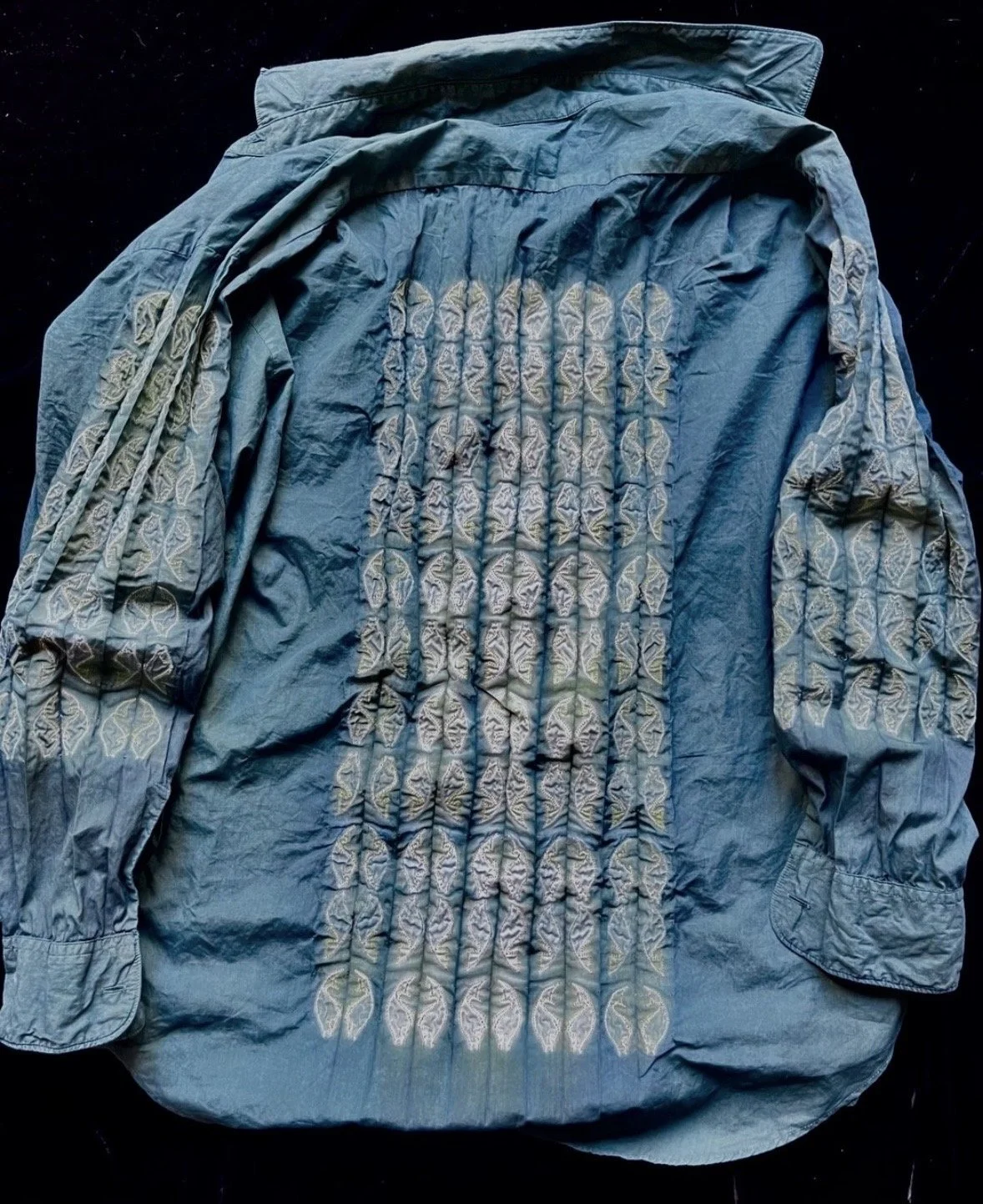
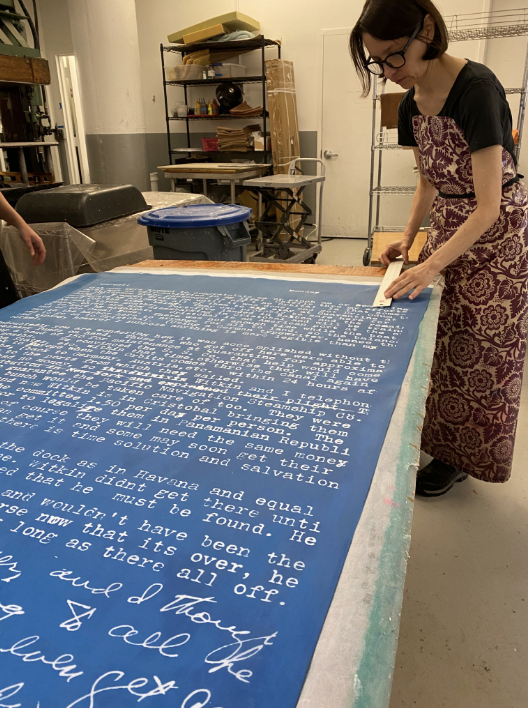
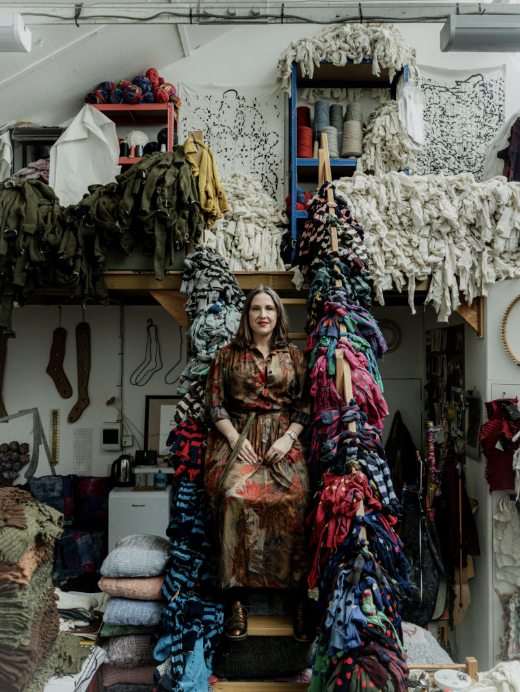
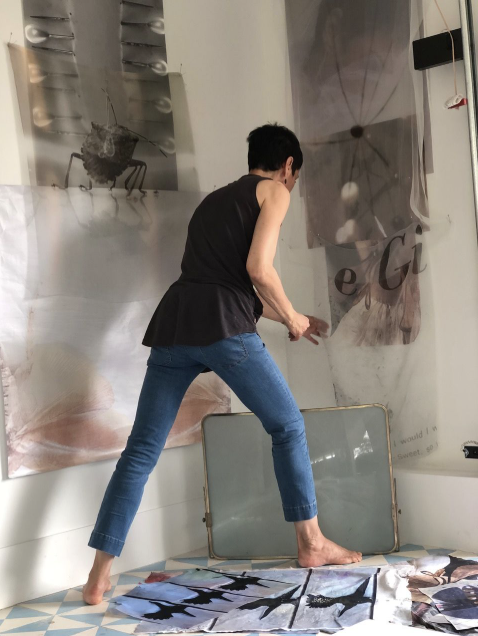
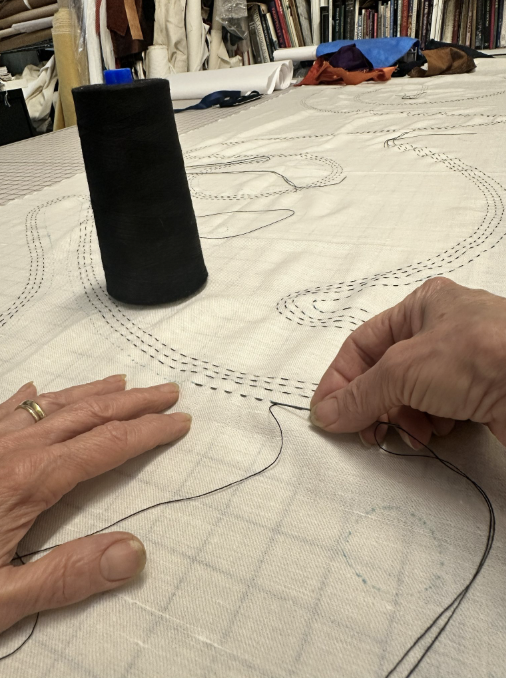
A decade ago, Mary Jaeger began hand-embroidering seven specific words of hope into her one-of-a-kind accessories. Originally executed as covert gesture, quietly stitched and camouflaged within architectural pleats, each word was an intimate message intended for the wearer to physically embody. In this landmark exhibition for New York Textile Month XI, Jaeger evolves this practice, presenting a wearable collection featuring these seven words inscribed in commanding, lyrical lines, a powerful departure from her previous structural whispers.
Alongside Jaeger’s garments, eight invited contemporary artists present diverse interpretations of these core linguistic pillars across a range of media. Together, the works stand as a radical counter-narrative to our current epoch of mass markets, frenetic consumption, and the expanding anxieties of artificial intelligence. In an era fractured by global discord and political instability, 7 WORDS OF HOPE asserts the critical relevance of the handmade. By internalizing these qualities, both wearer and observer are reminded of their agency to positively influence their own realities, transforming textile art into an essential site of human resilience.
Join us at the Mary Jaeger Atelier on September 6th, for 7 WORDS OF HOPE: ARTIST TALKS, a special exhibition and discussion presented for NYTM Xl. Open from Noon to 5:00 PM, with the central Artist Talks beginning at 2:00 PM, this event explores how handmade textiles, art, text, language, and emotion intertwine and impact our daily lives.
The exhibition features eight invited contemporary artists who will present their diverse interpretations of the 7 WORDS OF HOPE across a range of media, alongside Mary Jaeger. Discover how these timeless concepts are translated into tangible art:
• Love: Ragna Frodadottir (@frodadottir)
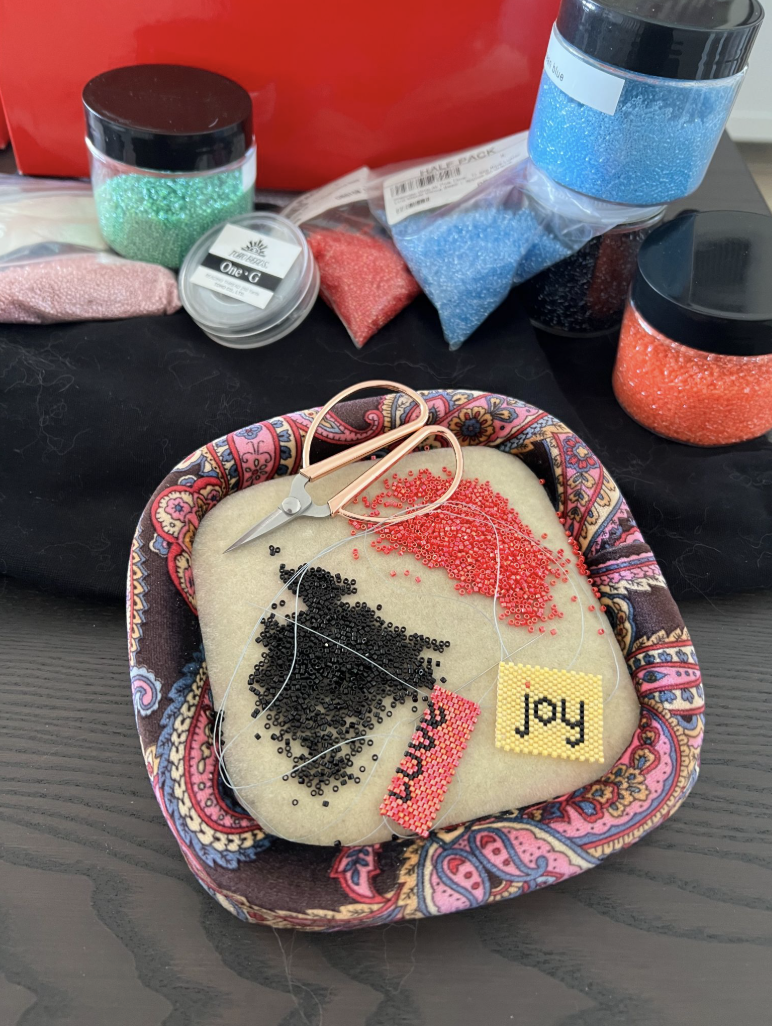
• Joy: Jorie Johnson (@joiraetex)
• Peace: David Salama (@dalama0)
• Courage: Dr. Katherine Soucie (@sanssoucie)
• Compassion: Tatiana Ginsberg (@tsgpaper)
• Empathy: Francesca Schwartz (@francescaschwartzstudio)
• Happiness: Erik Bergrin (@erikbergrin / @spiritbody_clothing)
• 7 Words of Hope: Thea Fine
• 7 Words of Hope: Collection: Mary Jaeger (@maryjaeger_ny)
The program at Mary Jaeger Atelier:
Opening Reception: Sunday, September 6
12:00 PM - 5:00 PM Gallery Open
Artist Talks at 2:00 PM
Panel Discussion: Sunday, September 13
12:00 PM - 5:00 PM Gallery Open
Panel Discussion at 2:00 PM - 3:30 PM Learn more here
Closing Reception: Thursday, September 17
12:00 PM - 8:00 PM Gallery Open
5:00 PM - 8:00 PM Closing Reception
Artist Talks at 6:00 PM
Exhibition: Sunday, September 6 - Thursday, September 17
12:00 PM - 5:00 PM Daily, other times by appointment: email mary@maryjaeger.com
No registration required!
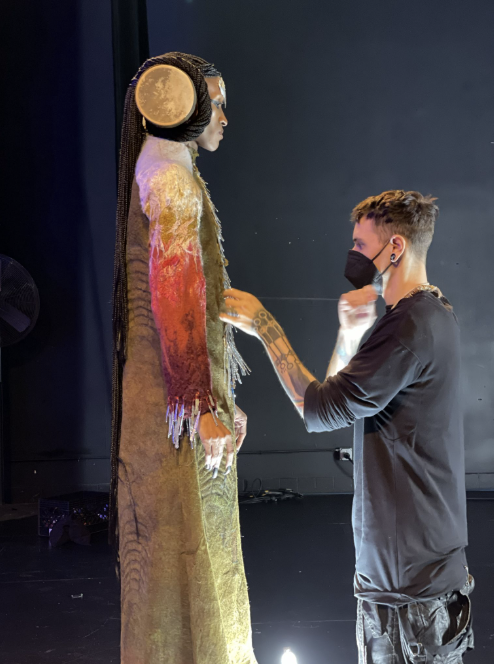
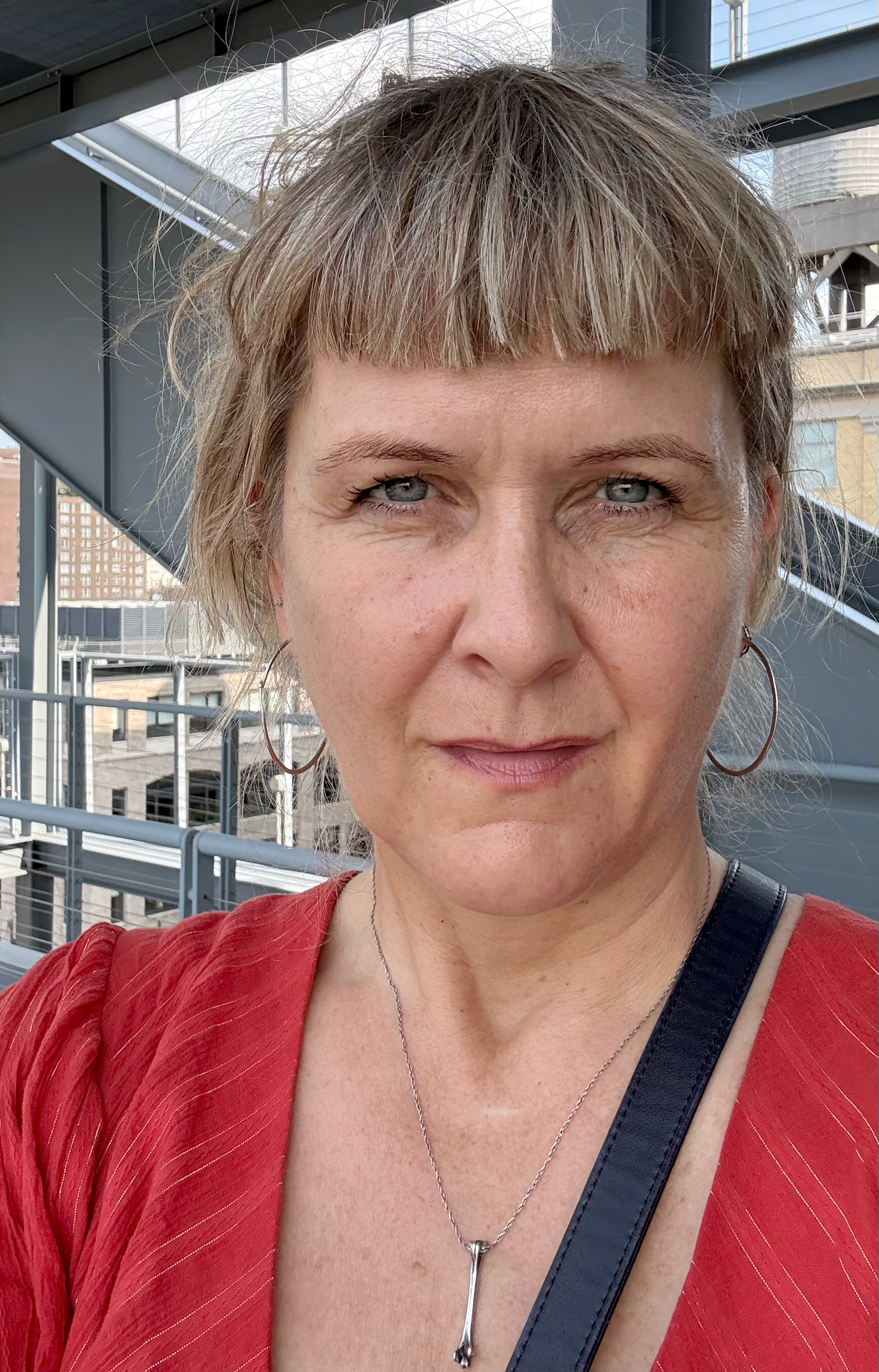
Ragna Frodadottir
“My work focuses on the process of making, working with colors and textures, and the history and culture of symbols and patterns in textiles” - Ragna Froda
Creative Director, NYTM & Edelkoort Inc. | Artist & Curator
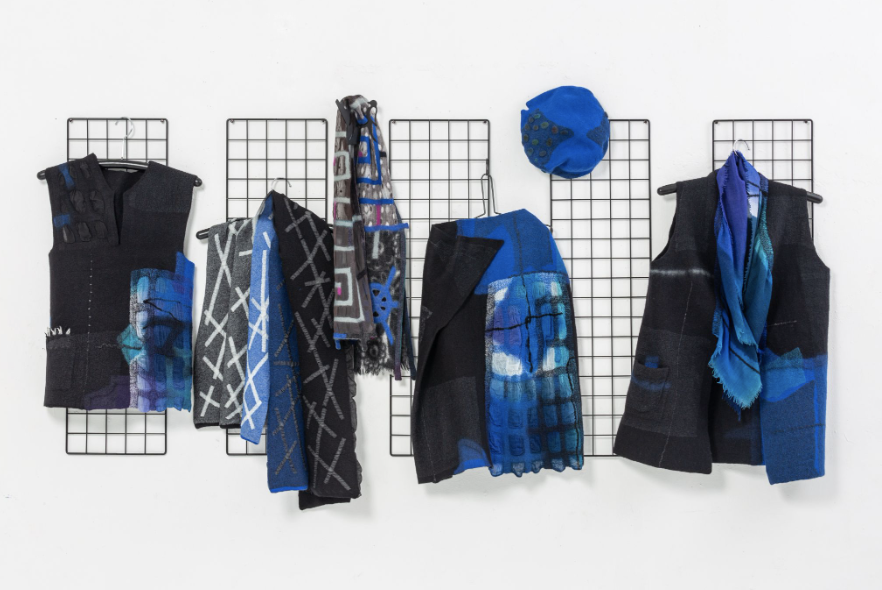
Ragna Froda is an Icelandic artist, curator and educator with a background in fashion and textile design. With a strong passion for textiles, innovation, and craft, the foundation of her practice is storytelling through hybrid layers of craft and technology. In the past 15 years, she has lived in New York, Berlin and Reykjavik, where she was head of Textiles at Reykjavik School of Visual Arts. She now lives in NYC where she runs her studio practice and works as the director of Edelkoort Inc. and New York Textile Month.
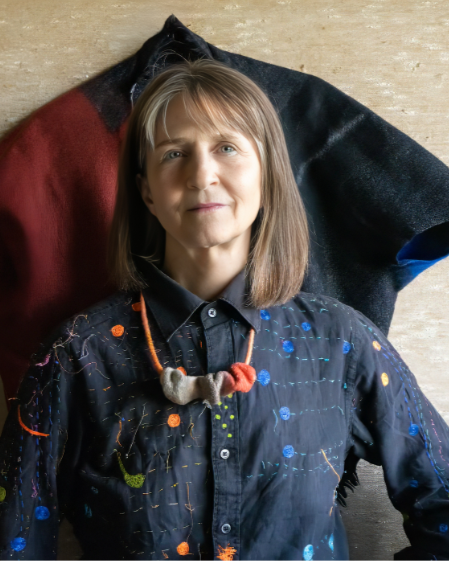
Jorie Johnson
“The history of man includes the history of feltmaking. I like contemporary
feltwork as it offers not only unique fabric design with seamless form, but self-expression and “Viking” protection.” - Jorie Johnson
Kyoto-based Contemporary Felt Artist | Educator & Innovator
Jorie Johnson’s imagination has been totally captured by the capability of wool fiber. With JoiRae Textiles, she continues to explore and create handmade felted woolworks for the body, the home, and the soul. Her works have been collected by the V&A London, MFA Boston and Cooper Hewitt NYC. She travels for research and teaching when the summer winds draw her away from eastern Asia.
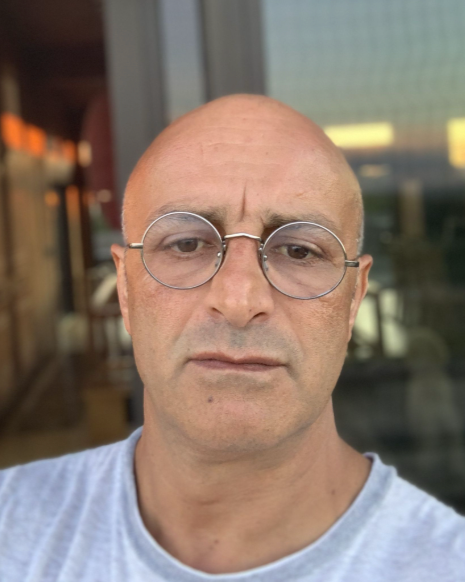
David Salama
“I like to push the limits of possibilities in shibori by combining traditional techniques with machine aided innovation” – David Salama
NYC-based Restauranteur l Multi-Disciplinary Artist & Creative
David Salama cultivates a deep interest in all the arts, expanding on his graphic design background from Tyler School of Art & Architecture. A majority of his life has been spent in the decorative arts and culinary arts with him currently running a restaurant in New York City. Recently he’s had the opportunity to return to textile craft and has spent the last four years learning and practicing Katazome, Shibori and indigo dyeing with on-going trips to Japan for workshops with notable masters.
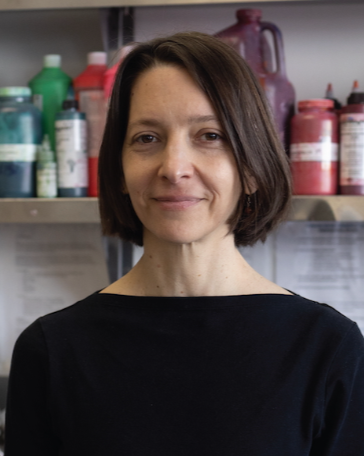
Tatiana Ginsberg
“Studying at one of the oldest dye studios in Kyoto, I learned the art of dyeing paper in brilliant colors for temple festivals, sutra copying, and other uses” - Tatiana Ginsberg
Director of Artistic Projects & Master Collaborator, Dieu Donne Paper Mill l Paper Artist, Writer, Curator & Educator
Tatiana Ginsberg works in handmade paper, creating drawings, books, and installations. She studied at the University of Iowa Center for the Book, received her MFA from the University of California, Santa Barbara and spent two years in Japan researching naturally dyed papers on a Fulbright grant. Ginsberg taught papermaking, printmaking, book arts, and drawing at colleges for more than a decade. Her work combines traditional and contemporary techniques, and focuses on the beauty of everyday things, the infraordinary, and paper as a transmitter of stories.
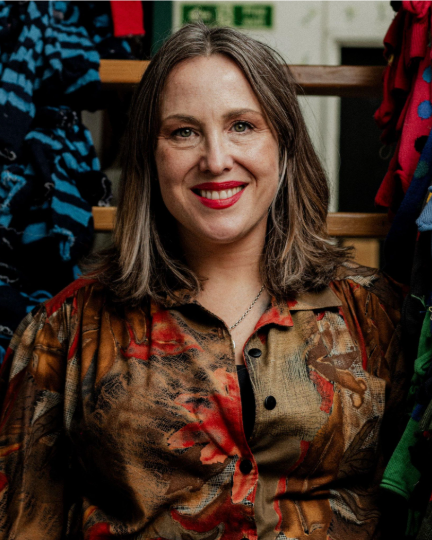
Katherine Soucie
“My East London-based studio focuses on the creative reuse of UK sock manufacturing waste, building on reuse strategies developed through my doctoral research project, New Geographies of (Re)Making” – Katherine Soucie
London-based Sans Soucie, Founder l Artist, Designer & Researcher
Katherine Soucie specializes in creative textile reuse, manufacturing, and mending as both material practice and critical inquiry. Over 25 years, she has developed a multidisciplinary upcycling practice across textiles, fashion, and visual art. After studying fashion design in London and Toronto, and textiles and visual art in Vancouver, she completed a practice-based PhD in Upcycling and Circular Textiles at Kingston University London. Her work has been exhibited, sold, and commissioned internationally - spanning Canada, the USA, Japan, China, Hong Kong, Australia, and the UK – across private collections, film, television, theatre, and performance contexts.
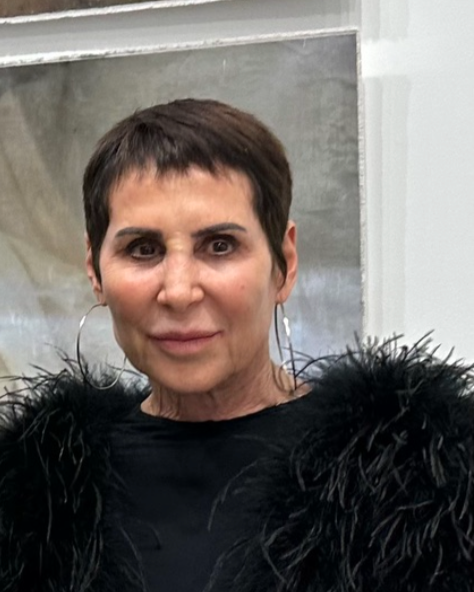
Francisca Schwartz
“My artwork is informed by a fascination with the materiality and metaphors of the female body” – Francesca Schwartz
NYC-based Psychoanalyst l Mixed Media Artist & Visionary
Francesca Schwartz works in a range of mixed media processes encompassing painting, sculpture, photography, and collage. Her diverse materials include inks, dyes, wax, bone, textiles,and found objects, and most recently fire. Schwartz exhibits in solo and group exhibitions, art fairs, and galleries and her art has been featured in international publications. She has received multiple grants, artist-in-residencies, and awards for her multidimensional and provocative work.

Erik Bergrin
“I see creativity as a spiritual practice – a way of transforming what weighs us down into something that sets us free”- Erik Bergrin
NYC-based Costume & Textile Designer for Film & TV l Artist & Researcher
Erik Bergrin is an interdisciplinary artist and textile specialist whose practice spans sculpture, fiber, costume, film, and material-based research. His work has been featured nationally and internationally in solo and group exhibitions at galleries, museums, film festivals, theatres and on television, and has appeared in numerous publications, including Dazed and Confused, The New York Times and L’Officiel. Bergin’s independent clothing line, Spirit Body, is available on his website and at select
stores nationwide.
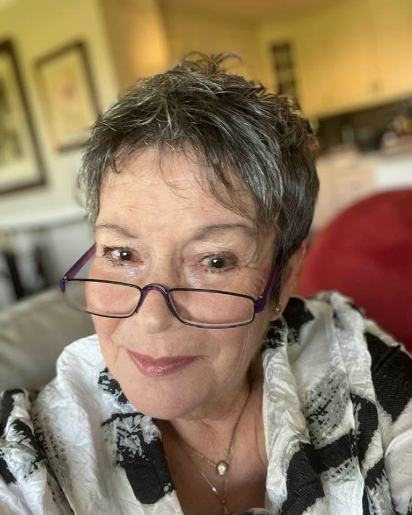
Thea Fine
“Working with both hands and head has been my signature throughout my life, from crafting speeches and policy documents to creating jewelry in a second career as a bead weaver to making beaded “statement pins” and more in my so-called “retirement”” - Thea Fine
Metro DC-based Lapsed Healthcare Policy Wonk l Beadweaver & Creative
Thea Fine is a former political policy “wonk” and beadwork artist who spends her retirement creating beaded statements—both political and otherwise—as pins and clothing adornments. Though she learned beadweaving as a child from her grandmother, Rose, Fine set aside the craft for decades, only recently returning to it as a counterbalance to the frenetic pace of life on the edge of national politics. Her pieces, often intended to provoke conversation, have found their way into numerous jewelry collections. While Fine continues to create commissioned work for a dedicated client base, she has also exhibited her collections at nationally juried craft shows, galleries, and boutiques.
Mary Jaeger
“The core of my textile work is inspired by my passion for handmade and handcrafted details, twisting colors, textiles and patterns in unorthodox ways” –Mary Jaeger
NYC-based Contemporary Textile Accessory Designer I Artist & Innovator
Mary Jaeger’s work explores the intersection of modern elegance and rich tradition. Her aesthetic is defined by uncluttered textiles and accessories that seamlessly meld ancient Eastern sensibilities with contemporary Western design. Drawing on years of study and work across Japan and other areas of Asia, Southeast Asia, and Europe, Jaeger creates timeless collections for fashion and interiors that transition effortlessly between seasons, settings, and occasions. Her work is exhibited nationally and internationally, and can be experienced firsthand at her atelier in Brooklyn, NY.
Located in Williamsburg, Brooklyn, the Mary Jaeger Atelier is a creative studio and retail space where innovative textile designs move from conception to production. Focused on sustainability and circularity, the atelier produces one-of-a-kind and limited-edition clothing, accessories, and interior objects. Mary’s collections utilize natural fibers, shaped-resist dyeing (shibori), and three-dimensional fabric manipulation, often reimagining vintage and post-production materials. Beyond production, the atelier serves as a vibrant community hub for the textile arts, hosting hands-on workshops, international exhibitions, and panel discussions that teach new skills, explore the value of handmade work, and foster camaraderie among makers and clients.